
Kinderzimmer Wandfarbe: Farbkonzepte für die Kleinen
Die Gestaltung des Kinderzimmers ist weit mehr als nur eine Frage des Geschmacks. Farben spielen eine entscheidende Rolle für die Entwicklung, das Wohlbefinden und die Stimmung von Kindern. Ob beruhigend, anregend oder kreativitätsfördernd – die richtige Wandfarbe schafft eine Umgebung, in der sich Kinder geborgen fühlen und ihre Persönlichkeit entfalten können. Dabei sollte das Farbkonzept nicht nur altersgerecht, sondern auch praktisch sein. In dieser Einführung erfährst du, wie du durch die passende Farbauswahl und kreative Kombinationen ein Kinderzimmer gestaltest, das funktional, gemütlich und kindgerecht zugleich ist.
Aktuelle Farbtrends im Kinderzimmer – diese Farbtöne und Kombinationen sind angesagt
Das Kinderzimmer ist ein Ort, an dem sich Deine Kinder wohlfühlen, toben, spielen, Ideen haben und entspannen sollen. Das stellt große Ansprüche an die Farbgestaltung und Einrichtung. Vor allem eine unruhige Atmosphäre sollte vermieden und eine wohnliche Behaglichkeit geschaffen werden. Nicht nur Mama und Papa sollte das Kinderzimmer gefallen – Berücksichtigt in jedem Fall die Bedürfnisse und Lieblingsfarben Eures Kindes! Gemeinsam könnt ihr euch dabei an aktuellen Trends für Kinderzimmer Wandfarben orientieren:
1. Pastelltöne wie Rosa, Mint und Beige für modernen Kinderzimmer in Verbindung mit einem hellen Grau und einer kontrastreichen Einrichtung.
2. Fröhliches Gelb oder abgetönte Nuancen als Kinderzimmer Wandfarbe für die Harmonie im Kinderzimmer in Kombination mit kräftigen Farben wie Pink oder Grüntönen.
3. Gemütliche „Höhle“ schaffen mit einem Orange und erdigen Naturtönen in Nuancen wie Hellbraun oder Senfgelb.
4. Das Traum-Kinderzimmer in Lila mit dezenten Anstrichen kombiniert. Besonders empfehlenswert: Flieder als Kinderzimmer Wandfarbe mit Ergänzungen von kräftigen Wandfarben als Kontrast.
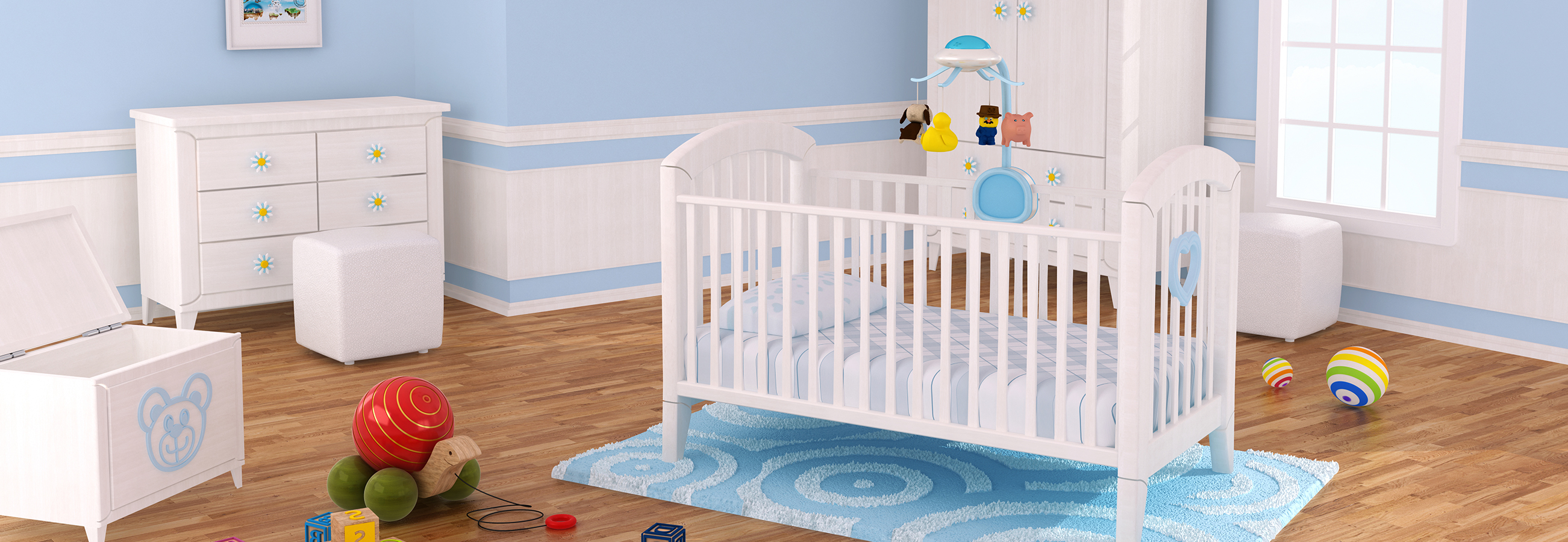
5. Unterschiedliche Blautöne und Nuancen aus der gleichen Farbfamilie in Verbindung mit weißen Möbeln.
Die 8 beliebtesten Kinderzimmerfarben
Blau wirkt beruhigend und fördert Entspannung. Helle Blautöne eignen sich für Baby- und Kinderzimmer, da sie Ruhe ausstrahlen und das Einschlafen erleichtern. Dunklere Blautöne können in Kombination mit Weiß oder Beige elegante Akzente setzen.
Violett symbolisiert Kreativität und Fantasie. Zarte Lavendeltöne schaffen eine entspannte Atmosphäre, während kräftige Nuancen wie Flieder oder Lila lebendige Akzente setzen. In Kombination mit Pastellfarben entsteht ein harmonischer Look.
Gelb strahlt als Kinderzimmer Wandfarbe Fröhlichkeit und Energie aus. Warme Töne wie Vanille oder Sonnengelb fördern eine positive Stimmung und regen die Fantasie an. Helles Gelb eignet sich für eine freundliche Wandgestaltung ohne zu überreizen.
Grün steht für Natur und Harmonie. Helle Grüntöne wie Salbei haben eine beruhigende Wirkung und schaffen eine frische, entspannte Atmosphäre. Sattes Grün kann als Akzentfarbe die Konzentration fördern und das Kinderzimmer beleben.
Orange ist warm und ein echter Energielieferant. Sanfte Pfirsichtöne wirken als Kinderzimmer Wandfarben einladend und freundlich, während kräftiges Orange die Aktivität steigert und für gute Laune sorgt. In Kombination mit neutralen Farben bleibt die Gestaltung ausgeglichen.
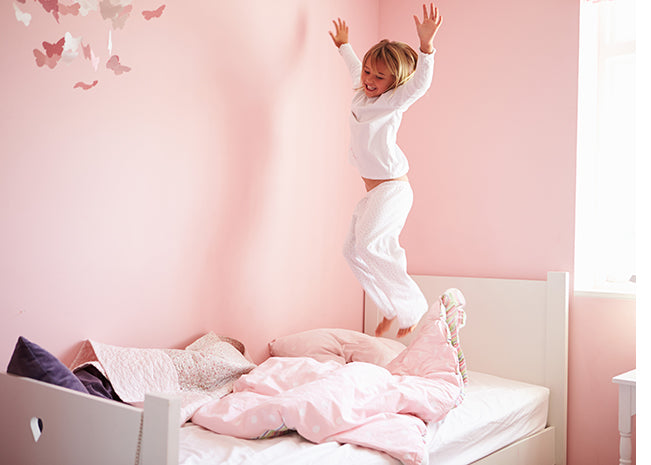
Rosa vermittelt Sanftheit und Geborgenheit. Helle Rosétöne eignen sich für eine zarte, ruhige Atmosphäre, während kräftigeres Pink lebendige Akzente setzt. Für eine moderne Note lässt sich Rosa gut mit Grau oder Weiß kombinieren.
Mint und Türkis haben eine frische und belebende Wirkung. Mint schafft ein sanftes, beruhigendes Raumklima, während Türkis Energie und Kreativität fördert. Beide Farben lassen sich vielseitig mit neutralen Tönen oder Holz kombinieren.
Diese natürlichen Kinderzimmer Wandfarben vermitteln Wärme und Behaglichkeit. Beige und Caramel eignen sich hervorragend als Hintergrundfarben, die mit kräftigen Akzenten kombiniert werden können. Brauntöne in Holzoptik sorgen für ein gemütliches, naturverbundenes Ambiente.
Kinderzimmer Wandfarben: Die passenden Farbtöne für jedes Alter
0-2 Jahre: Geborgenheit und Entwicklung
Babys brauchen einen ruhigen, geborgenen Raum. Vermeide knallige oder dunkle Töne, da sie Unruhe oder Angst auslösen können. Ideal sind Farbharmonien mit sanften Pastellfarben wie Hellblau oder Gelb mit hohem Weißanteil. Setze gezielt Kontraste durch Deko, um die räumliche Wahrnehmung zu fördern.
3-6 Jahre: Toben und Träumen
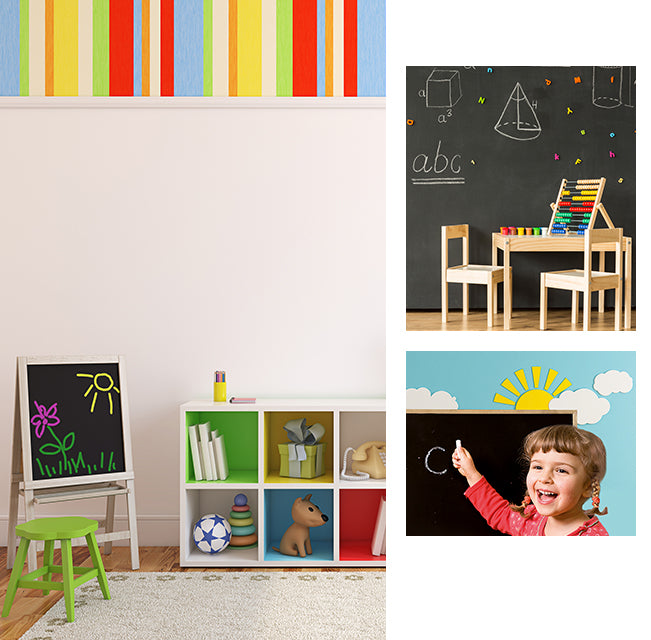
Für Kindergartenkinder eignen sich kräftige, aktivierende Farben in Kombination mit beruhigenden Tönen. Ein ausgewogenes Farbkonzept und Pastell- und Kontrastfarben fördert Kreativität und sorgt gleichzeitig für Entspannung nach dem Spielen.
7-12 Jahre: Lernen und Erholen
Schulkinder brauchen einen Raum, der Konzentration und Erholung ermöglicht. Warme, sanfte Akzente schaffen Struktur und Wohlfühlatmosphäre. Trend-Tipp: Tafelfarbe! Tafelfarbe bietet eine kreative Wandfläche, auf der Kinder mit Kreide malen und schreiben können – perfekt für Fantasie und Ordnung.
Kinderzimmer Wandfarbe: Über die Wirkung von Farben auf Kinder
Grün und Blautöne steigern die Konzentration
Grün und Blau in allen Nuancen werden konzentrationsfördernde und beruhigende Wirkungen nachgesagt. Grüntöne fördern das kreative Denken, die Konzentration und das fokussierte Lernen in einem Zimmer, während zum Beispiel ein Hellblau oder Blautöne als Kinderzimmer Wandfarbe den Kopf frei machen und Platz für neue Ideen schaffen. Zusammen harmonieren die schönsten Farbtöne exzellent und schaffen ein echtes Wohlfühlrefugium.
Pastelltöne sind die beruhigende Basis
Unsere Tipps: Je jünger Kids sind, umso heller die Farben und umso dosierter die Kontraste im Zimmer, die wirken sollen. Pastellige Farben sind die schönste Wahl als Grundfarbe für die Kinderzimmer Wandfarbe. Sie wirken beruhigend und schaffen Geborgenheit. Dennoch solltet ihr bei Pastellfarben Kontraste setzen, damit das dreidimensionale Sehen und die Tiefenwahrnehmung sich gut entwickeln können.
Farbkontraste für eine anregende Atmosphäre
Kontraste machen ein Kinderzimmer lebendig und sorgen dafür, dass es den unterschiedlichen Bedürfnissen gerecht wird. Generell gilt jedoch an den Wänden von Kinderzimmern gedeckte und abgetönte Farben zu nutzen und diese wirken zu lassen. Eine gute Form mit einer entsprechenden Wirkung ist es, mit kalten und warmen Nuancen zu arbeiten. Streich zum Beispiel ein Hellblau in Verbindung mit einem zarten Gelb. Babys haben so die Möglichkeit, durch die Kontraste der Kinderzimmer Wandfarbe in seiner dreidimensionalen Ausprägung wahrzunehmen und bei älteren Sprösslingen wirken Farben in einer geeigneten Farbauswahl belebend.
Möbel, Deko und Wandfarbe – perfekt abgestimmt fürs Kinderzimmer
Vorhänge: Farbige Vorhänge setzen Kontraste, schützen vor Sonne und dunkeln ab. Dunkle Töne wie Rot oder Lila sind besonders funktional.
Nachtlicht: Nachtlichter bieten Geborgenheit und sind tagsüber dekorativ, z. B. in Wolken- oder Tierformen.
Spielteppiche: Kurzflorige Teppiche schaffen Gemütlichkeit, schützen den Boden und laden zum Spielen ein. Spielteppiche sorgen für zusätzliche Highlights.
Aufbewahrung: Bunte Boxen aus Holz oder Kunststoff bringen Ordnung und setzen Farbakzente. Holzmodelle können individuell bemalt werden.
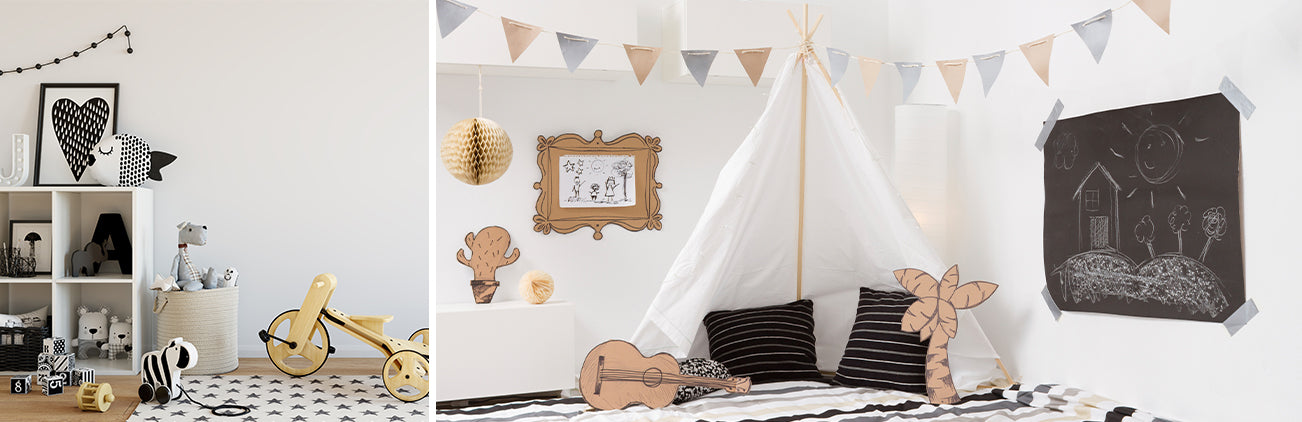
Lichterketten: LED-Lichterketten mit warmem Licht schaffen eine gemütliche Atmosphäre. Varianten mit kleinen Schirmchen sind besonders dekorativ.
Bilder: Kindgerechte Bilder ergänzen die Wandfarbe und verleihen dem Zimmer eine persönliche Note.
Kinderzimmer Wandfarben: schadstofffrei & raumgesund
Im Zimmer für die Kleinsten ist es natürlich wichtig, dass die Innenfarbe, die ihr beim Streichen verwendet, unbedenklich sind. Schließlich ist das Zimmer meist Lebensmittelpunkt der Kids.
Wichtig ist es, bei der Auswahl der Kinderzimmer Wandfarbe auf geprüfte Inhaltsstoffe zu achten. Ideal geeignet sind Farben auf Wasserbasis, die weder Weichmacher noch Konservierungsmittel als Inhaltsstoffe enthalten. Achte beim Kauf auf Gütesiegel wie „Der Blaue Engel“. Ferner sollte sich eure Auswahl geruchsneutral zeigen.

Kinderzimmer Wandfarben: robust und pflegeleicht
Kinderzimmer-Wandfarben müssen einiges aushalten: spielende Kinder, kreative Malversuche und gelegentliche Stöße. Die beste Wahl sind strapazierfähige, leicht zu reinigende Farben wie Silikatfarben oder hochwertige Dispersionsfarben. Spezial-Farben auf Silikatbasis sind besonders widerstandsfähig, reinigungsfähig, atmungsaktiv und verhindern Schimmelbildung – ideal für ein gesundes Raumklima.
Wichtig ist eine hohe Scheuer- und Reinigungsbeständigkeit nach DIN-Norm. Farben mit Nassabriebklasse 1 oder 2 lassen sich leicht abwischen, ohne die Oberfläche zu beschädigen. Achtet auf Farben ohne Schreibeffekt, damit keine unschönen Rückstände durch das Abwischen entstehen. So bleibt das Kinderzimmer lange schön und funktional.
Unsere Produktempfehlungen für die Kinderzimmer Wandfarbe
Für das Streichen der Räume in einem warmen Weißton empfehlen wird dir unsere BAUFIX Ultra Deckfarbe konservierungsmittelfrei ohne Weichmacher, die sowohl mit einer hohen Deckkraft als auch mit hohen Qualitätsstandards überzeugt: konservierungsmittelfrei und mit dem „Blauen Engel“ zertifiziert. In nur einem Anstrich ist die Kinderzimmer Wandfarbe fertig aufgetragen. Die Farbgestaltung für das farbenfrohe Kinderzimmer setzt du mit unserer Kollektion BAUFIX STYLES Farbakzente um.
Bestelle das passende Zubehör wie Pinsel, Farbwalze und Co. dazu. So kannst du direkt loslegen und gleich für Akzente aus der ganzen Auswahl unserer Farbpalette sorgen.
Wir hoffen, dass unsere Tipps dir weitergeholfen haben und dir die Farbvorschläge für die Kinderzimmer Wandfarben für mehr Harmonie im Babyzimmer und Schaffung eines Raums mit kreativer Atmosphäre erleichtern. Gerne beraten wir dich persönlich bei der Findung der idealen und schönsten Kinderzimmer Wandfarbe.
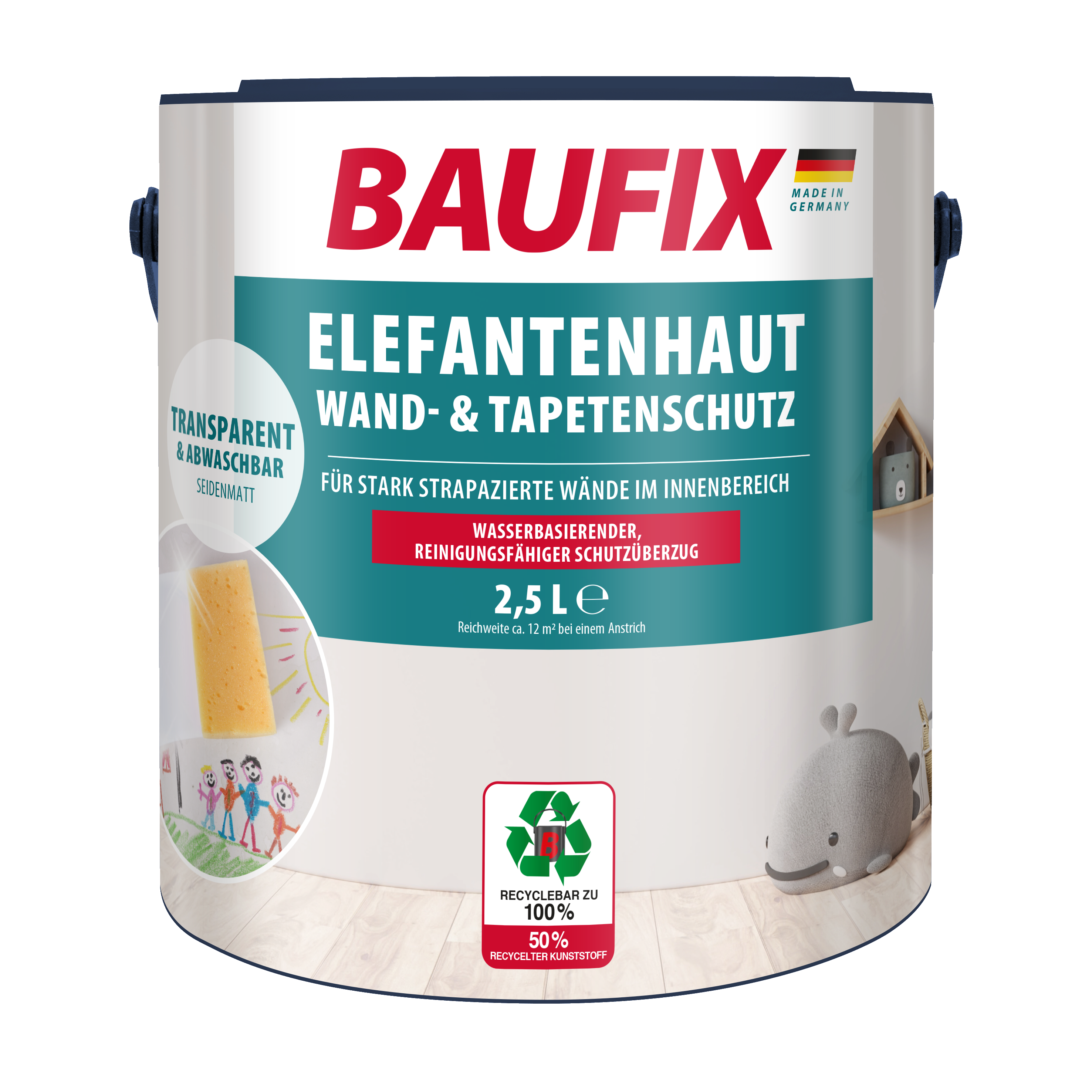
Unsere Kinderzimmer Wandfarbe: BAUFIX Elefantenhaut Wand- & Tapetenschutz
- Nassabriebbeständigkeit Klasse I nach DIN EN 13300
- Schutzüberzug
- für stark beanspruchte Wände
- strapazierfähig
- seidenmatt
- transparent & abwaschbar