
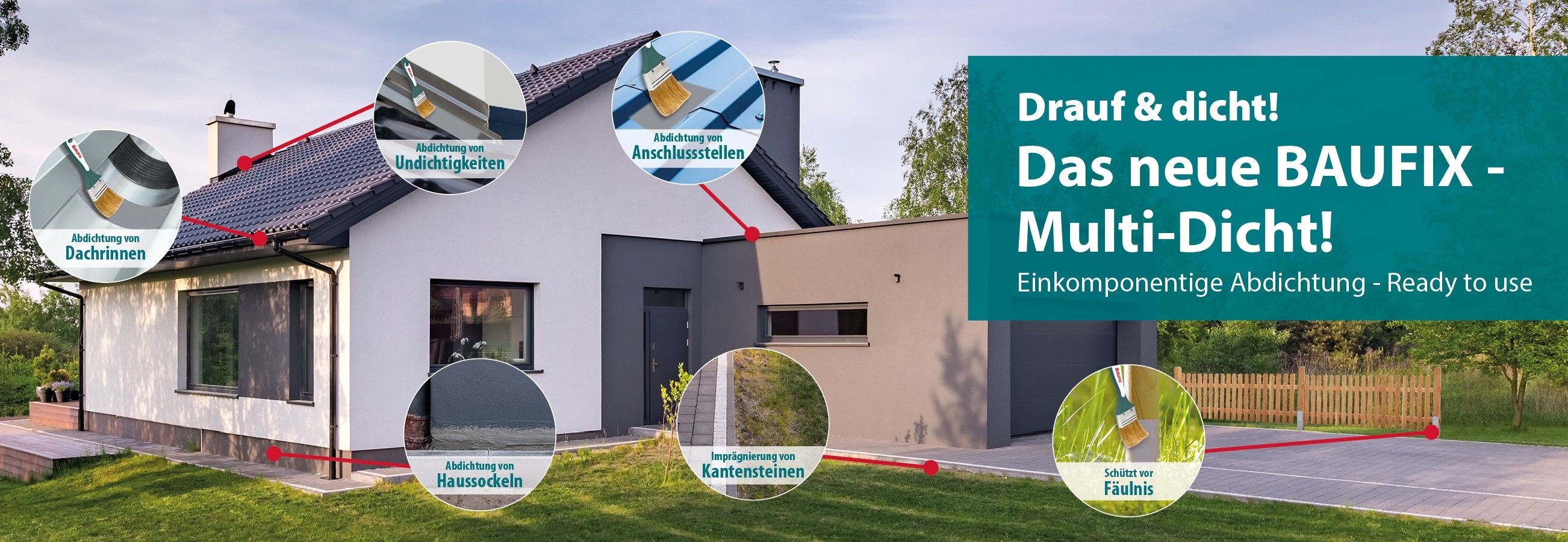
Was ist eine Dichtmasse?
Eine Dichtmasse kann als Abdichtung von allerhand möglichen undichten Stellen eingesetzt werden. Viele Hausbesitzer kennen das Problem – eine Regenrinne ist undicht oder es gibt ein Loch in der Oberfläche, und beim nächsten Regen tropft es. Mit einer Dichtmasse lassen sich derlei Stellen einfach abdichten, damit es wieder trocken bleibt.
Hierbei sollte man jedoch zwischen unterschiedlichen Stoffen unterscheiden. Ein sehr bekannter Dichtstoff etwa ist Silikon, der meist zum Abdichten von Fugen und in Bad und Küche eingesetzt und über eine Kartusche aufgetragen wird. Für einige Anwendungsfälle vor allem im Außenbereich ist Silikon aber nicht optimal geeignet. Hier gibt es spezielle Dichtmassen auf Basis von Kunststofffasern oder Polymerbindemitteln, die bessere Haftungseigenschaften auf unterschiedlichen Untergründen wie Kunststoff, Naturstein, Beton, Holz oder Metall ermöglichen.
Wofür kann man Dichtmassen einsetzen?
Eine einkomponentige Dichtungsmasse wie BAUFIX Multi-Dicht hat vielfältige Anwendungsmöglichkeiten, um undichte Stellen zu reparieren, beispielsweise:
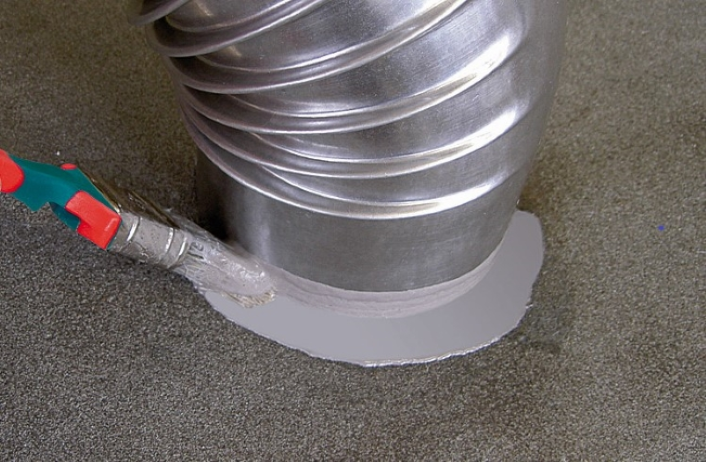
Dichtmasse für Durchführungen
DIY Heimwerker kennen das Problem: Man führt ein Rohr durch eine Holzplatte, durch Metall oder durch ein anderes Material und eine kleine Lücke zwischen dem Rohr und der Aussparung bleibt bestehen – genug, dass Wasser und Feuchtigkeit hindurch gelangen können.
Hier hilft eine Dichtmasse, indem sie die Durchführung rund um das Rohr abdichtet und so das Durchdringen von Feuchtigkeit verhindert.
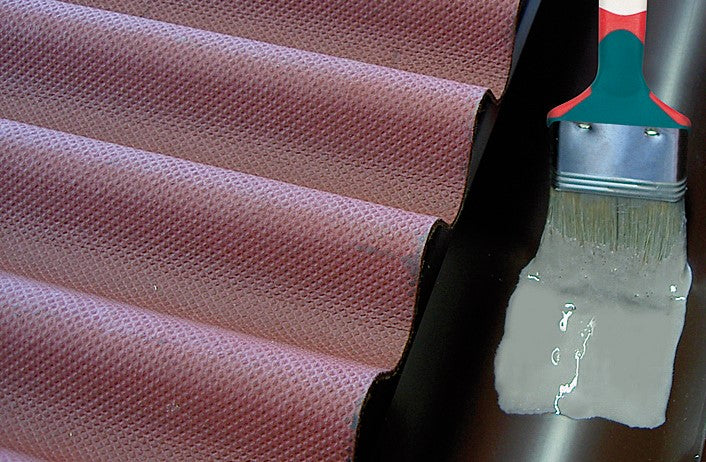
Dichtmasse für Dachrinnen
Kaum einem Hausbesitzer bleibt sie erspart – die tropfende Regenrinne. Doch wie kann man ein Loch oder einen Riss in der Dachrinne wieder dicht machen? Eine wasserdichte Dichtmasse kann auf die Innenseite der gereinigten Regenrinne aufgetragen werden, um die Reparatur vorzunehmen. Dann hat sich das mit dem Tropfen auch erstmal wieder erledigt.
Hier hilft eine Dichtmasse, indem sie die Durchführung rund um das Rohr abdichtet und so das Durchdringen von Feuchtigkeit verhindert.
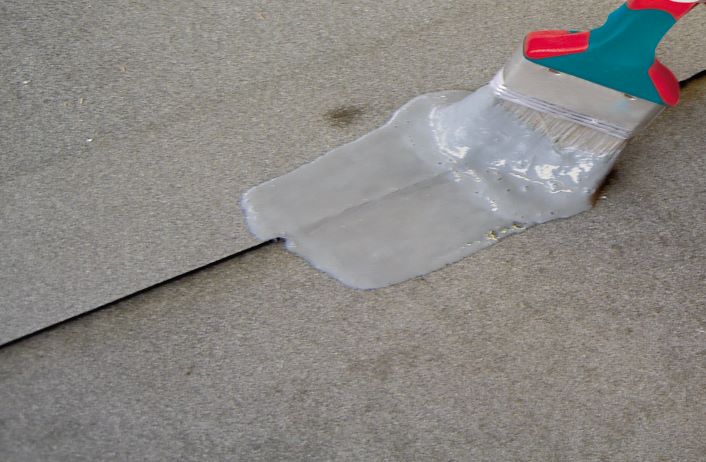
Dichtmasse für Anschlussstellen
Beim Heimwerken ergeben sich häufig Anschlussstellen zwischen unterschiedlichen Materialien, bspw. beim Verlegen von Dachpappe. Auch diese Stellen müssen abgedichtet werden, damit kein Wasser durchdringt. Da sich vor allem Materialien auf dem Dach, die den Witterungsverhältnissen ausgesetzt sind, aufheizen, sich ausdehnen und wieder zusammenziehen, ist es wichtig, dass der eingesetzte Dichtstoff dauerelastisch ist, um den hohen Ansprüchen im Außenbereich auch gerecht zu werden.
Hier hilft eine Dichtmasse, indem sie die Durchführung rund um das Rohr abdichtet und so das Durchdringen von Feuchtigkeit verhindert.
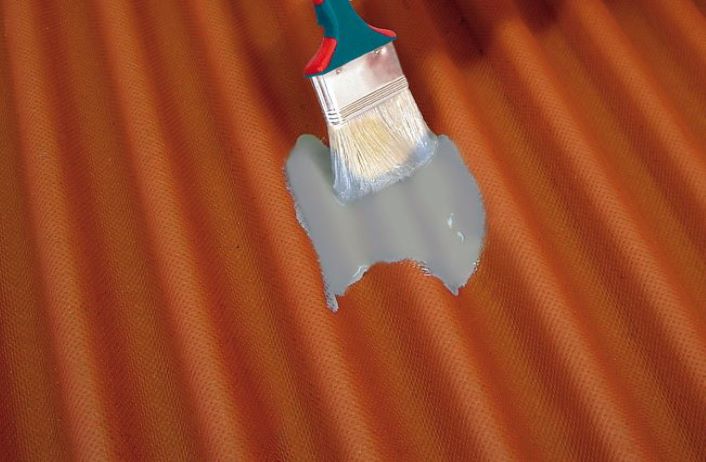
Dichtmasse für Löcher
Ob durch Hagelschlag, Missgeschicke in der Bearbeitung oder einfach durch den Zahn der Zeit – irgendwann entstehen auch in widerstandsfähigen Materialien Löcher, die abgedichtet werden müssen. Eine Abdichtung mit hoher Rissüberbrückung kann auch hier im Außenbereich Abhilfe schaffen.
Hier hilft eine Dichtmasse, indem sie die Durchführung rund um das Rohr abdichtet und so das Durchdringen von Feuchtigkeit verhindert.
Wie wird Dichtmasse angewendet?
Die Anwendung von Dichtmasse ist abhängig vom Produkt. Silikon etwa wird anders aufgetragen als eine Dichtmasse auf Polymerbasis wie BAUFIX Multi-Dicht.
Achte in jedem Fall darauf, dass die Oberfläche, die Du abdichten möchtest, frei von Staub, Schmutz, Verunreinigungen, Öl, Fett oder sonstigen Trennschichten ist. Entferne vor der Anwendung lose Teile der Oberfläche, indem Du sie gut abbürstest.
Führe zunächst einen Testanstrich auf einer kleinen Testfläche durch, um die Haftung der Dichtmasse und die Materialverträglichkeit zu prüfen. Wenn alles in Ordnung geht, kannst Du loslegen.
Bringe die Dichtmasse mit einem Quast oder einer kurzflorigen Velourrolle in zwei Lagen deckend auf. Achte dabei darauf, dass Du die Dichtmasse nicht zu dünn verstreichst und bringe am besten zwei Schichten auf. Zwischen dem Auftragen der beiden Schichten solltest Du einige Stunden warten, je nach Verarbeitungstemperatur und Luftfeuchtigkeit.
Nach ca. 24 Stunden ist die bestrichene Fläche dann dicht und voll belastbar. Achte in jedem Fall auf die Angaben der Verarbeitungsanleitung!
Worauf muss ich bei der Verwendung von Dichtmasse achten?
Wenn Du den Dichtstoff im Außenbereich anwendest, dann achte darauf, dass er UV- und frostbeständig sowie ggf. tausalzbeständig ist, um auch extremen Witterungsverhältnissen trotzen zu können.
Gute Dichtmassen sollten außerdem hochflexibel bzw. dauerelastisch und rissüberbrückend sein. Manche Risse und Löcher sind auch für Dichtmassen zu groß, um problemlos abgedichtet zu werden. Achte auf die Angaben zur Rissüberbrückung auf der Verarbeitungsanleitung.
Prüfe außerdem, ob die Dichtungsmasse für die Oberfläche geeignet ist, die Du abdichten möchtest. Nicht jeder Stoff ist für alle Untergründe geeignet.
Achte zudem darauf, dass Du den Dichtstoff ordentlich lagerst. Beim Lagern in der Garage kann die Masse beim nächsten Frost kaputt gehen - lagere sie daher am besten immer kühl, trocken und frostsicher.
Reinige Deine Arbeitsmittel nach der Verarbeitung umgehend. Einige Produkte lassen sich nach dem Trocknen nur noch mechanisch entfernen, was einen Quast oder eine Rolle schnell unbrauchbar machen kann.
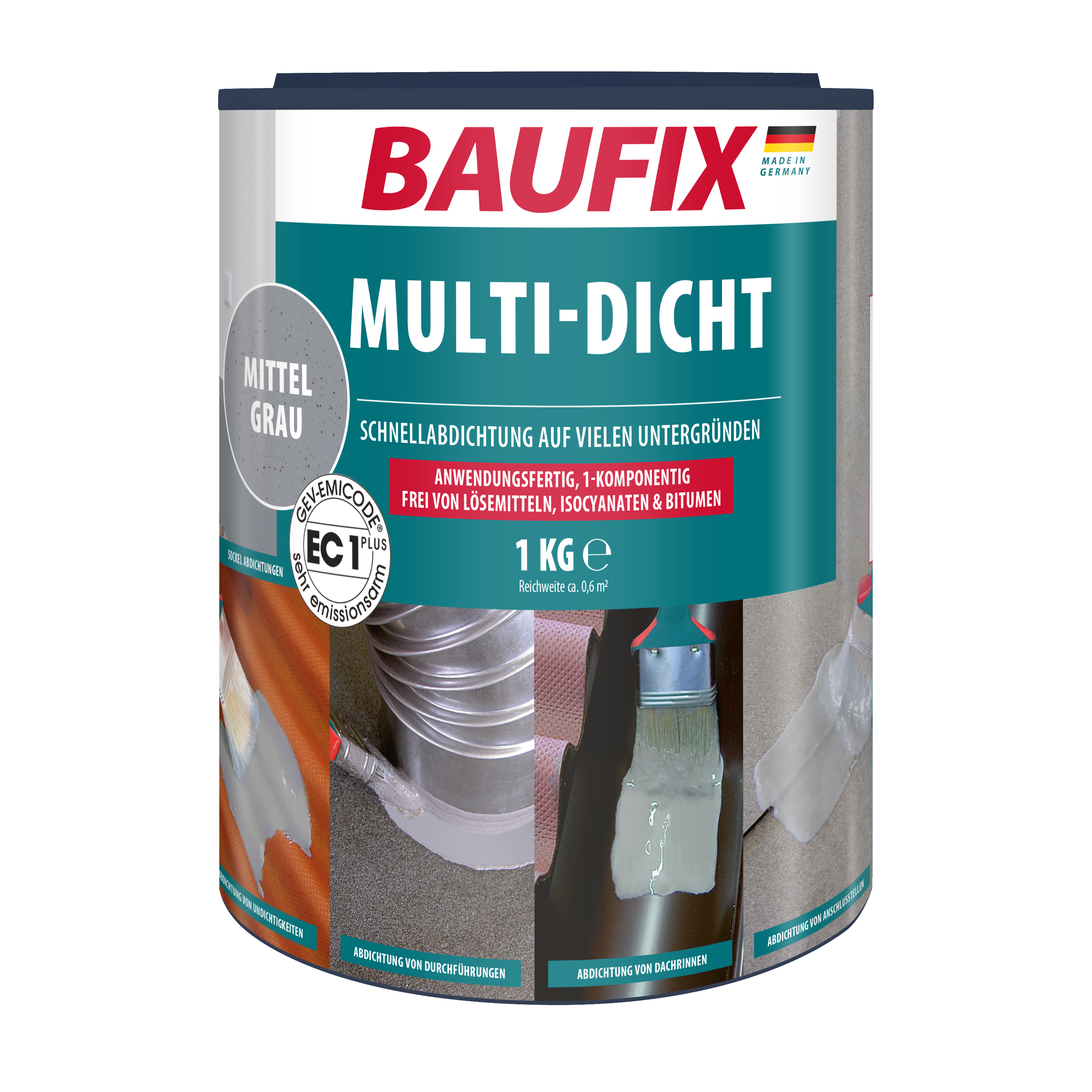
Unsere Dichtmasse: BAUFIX Multi-Dicht
- Universell einsetzbar
- Hervorragende Haftunng auf verschiedenen Untergründen
- Regenfest nach 4 Stunden
- UV-beständig
- Frei von Lösemitteln, Isocyanaten und Bitumen
- Überstreichbar