
Holzschutzlasur | Schutz für innen & außen
Inhalt
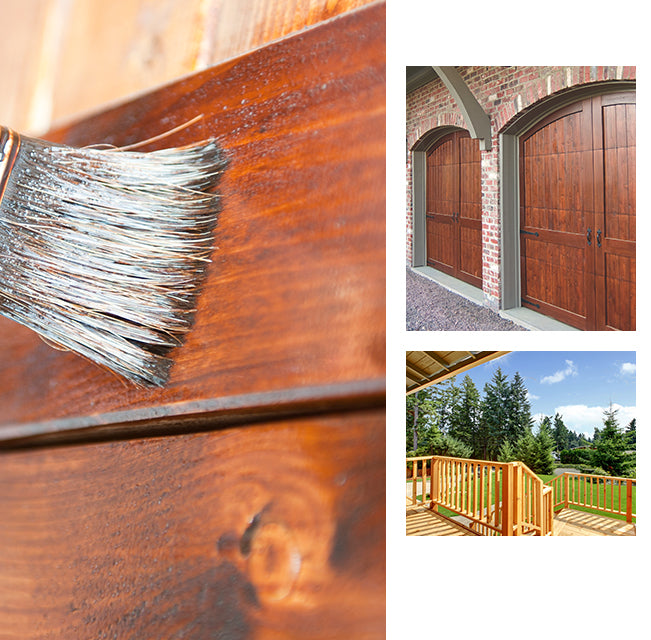
Holzschutzlasur: Verwendung, Unterschiede & mehr
Holz ist eines der beliebtesten Baumaterialien. Kein Wunder, seine natürliche Schönheit macht optisch einiges her und die Verwendungsmöglichkeiten sind vielseitig. Unbehandeltes Holz, vor allem im Außenbereich, ist jeden Tag dem Wetter ausgesetzt. Sonne, Regen, aber auch Schädlinge und Insektenbefall machen dem Material schwer zu schaffen. Selbst im Innenbereich brauchen Holzflächen einen speziellen Holzschutz und regelmäßige Pflege. Nur so gewährleistest du, dass sich Außenmöbel, Kommoden und Co. lange von ihrer besten Seite zeigen. Lasuren für den Holzschutz wie Holzschutzlasuren,Holzöleund Holzschutzfarben für Anstriche fungieren als schützende Schicht. Wetter, Insekten und Pilze haben keine Chance mehr, gleichzeitig bleibt die Atmungsaktivität erhalten und die natürliche Maserung kommt zum Vorschein.
Hier geben wir dir Verarbeitungstipps und erklären, wie du dein Holz mit Holzlasuren schützt und welche Produkte wann geeignet sind.
Was ist Holzschutzlasur und wofür verwende ich diese?
Eine Holzschutzlasur ist ein Mittel, das Holz im Außen- und Innenbereich schützt. Im Außenbereich schützt sie vor Wetter, UV-Strahlung, Pilzen und holzzerstörenden Insekten. Innen bewahrt sie Möbel vor alltäglichem Gebrauch und betont die natürliche Maserung. Im Gegensatz zu Lacken überdeckt sie nicht die Oberfläche, sondern erhält das natürliche Aussehen des Holzes und lässt es atmen, indem sie die Poren offen hält.
Arten von Lasuren: Dünn- und Dickschichtlasuren
Dünnschichtlasuren
Dünnschichtlasuren haben eine flüssige Konsistenz. Sie sind offenporig und farblos. Weil die Holzschutzlasur ähnliche Eigenschaften wie Wasser aufweist, kann sie tief ins Holz eindringen.
Vorteile:
- Jederzeit erneuerbar.
- Glatte und seidenglänzende Beschichtung bringt Maserung zur Geltung
- Kein Abblättern.
- Guter Wetterschutz für Holzfassaden.
- Geringer Gehalt an Bindemitteln.
Nachteile:
- Schwierige Handhabung wegen flüssiger Konsistenz.
- Hoher Anteil an Lösungsmitteln.
- Das Material kann weiterhin Feuchtigkeit durch Regen und über den Erdkontakt aufnehmen, was bei unzureichender Pflege zur Verwitterung führen kann.
Dickschichtlasuren
Lasuren, die eine Dickschicht bilden, haben eine zähe Konsistenz, ähnlich wie Lack. Durch den hohen Gehalt an Bindemitteln bilden sie eine feste Schutzschicht.
Vorteile
- Einfachere Verarbeitung.
- Optimaler Schutz durch umhüllende Oberfläche.
- Glatte, seidenglänzende Beschichtung, die die Maserung betont.
- Geeignet für Harthölzer im Innenbereich.
Nachteile:
- Neigt mit der Zeit zum Abblättern.
- Erneuerung erfordert Abschleifen des alten Anstrichs.

Verschiedene Anwendungs-bereiche: innen & außen
Holzschutzlasur innen
Holzschutzlasuren für den Innen- und Außenbereich haben unterschiedliche Eigenschaften und Anforderungen. Holzlasuren für den Innenbereich sind nicht lösemittelhaltig und frei von Schadstoffen, jedoch meist nicht wetterbeständig. Sie schützen vor Feuchtigkeit und Staub, heben die natürliche Maserung hervor und pflegen das Holz. Diese Beschichtungen kommen oft in verschiedenen Lasurfarbtönen zum Einsatz und werden für Türen, Möbel, Holzdecken, Fenster und Böden verwendet, um das Aufquellen zu verhindern.
Holzschutzlasur außen
Eine Holzschutzlasur außen muss wetterbeständig sein und nicht nur Pflege, sondern vorwiegend Schutz bieten. Lösemittelbasierte Anstriche schützen Möbel und ähnliche Objekte im Außenbereich vor Feuchtigkeit, Sonneneinstrahlung, Schimmel, Fäulnis, Verwitterung sowie Pilzen und Insektenbefall. Diese Holzlasuren für den Außenbereich machen das Material beständig gegen Witterungsbedingungen und Vergrauung, enthalten Fungizide und Biozide und sind daher nicht für den Innenbereich, sondern ausschließlich für den Außenbereich geeignet.
Kurz erklärt: maßhaltige und nicht maßhaltige Bauteile
In Bezug auf die Arten von Holzlasuren ist immer wieder die Rede von maßhaltigen und nicht maßhaltigen Bauteilen. Oft findet man diese Hinweise auch auf den Produkten oder innerhalb der Artikelbeschreibungen, so auch auf den Holzschutzlasuren und Holzpflegemitteln von BAUFIX.
Maßhaltige Holzbauteile wie Fenster und Türen behalten ihre Maße bei Temperaturschwankungen und hoher Luftfeuchtigkeit bei. Für diese Holzbauteile sind dünnschichtige Holzlasuren ideal, da diese offenporig sind und tief einziehen. Nicht maßhaltige Holzbauteile, wie Holzfassaden und Zäune, verändern ihre Maße, da es arbeitet. Hier eignen sich Dickschichtlasuren, die eine schützende Schicht bilden. Begrenzt maßhaltige Bauteile, wie Holzhäuser und Fensterläden, können sich bis zu einem gewissen Grad verändern. Für sie sind dünne bis mittelschichtige Holzlasuren geeignet.
Holzschutzlasur auftragen: Schritt-für-Schritt-Anleitung
1. Vorbereitung
Falls du im Außenbereich Holz lasieren möchtest, sollte die Außentemperatur über 5 Grad Celsius betragen. Bei niedrigeren Temperaturen sind die Poren des Holzes enger und die Saugfähigkeit eingeschränkt. Entferne dann zunächst Staub und Schmutz von der Holzfläche. Nutze zum Vorbehandeln ein Schleifgerät, Schleifpapier oder eine Drahtbürste, um Altanstriche zu entfernen. Alte Lackreste können bleiben, wenn sie fest und tragfähig sind. Austretendes Harz kann mit Universalverdünnung entfernt werden.
2. Pinselwahl
Wähle einen lösemittelbeständigen Pinsel bei lösemittelhaltige Holzlasuren. Falls du mit einem wasserbasierten Produkt arbeitest, verwende einen Wasserlackpinsel.
3. Grundierung / Imprägnierung
Für ein glattes und makelloses Ergebnis empfiehlt sich eine Holzschutzgrundierung, beispielsweise mit dem BAUFIX Holzschutz Grund für Laub- und Nadelhölzer.
4. Erster Anstrich
Rühre die Holzschutzlasur gründlich mit einem Rührstab durch, um eine gleichmäßige Konsistenz zu erhalten. Trage dann die Lasur gleichmäßig in Holzfaserrichtung auf.
5. Trockenzeit
Lasse die erste Schicht gemäß den Herstellerangaben auf dem Kennzeichnungsetikett trocknen. Dies dauert in der Regel mehrere Stunden bis über Nacht.
6. Zweiter Anstrich
Trage eine zweite Schicht Holzschutzlasur auf, um den Schutz und die Farbtiefe zu verstärken. Lasse auch diese Schicht vollständig trocknen.
Benötigt das Holz vorab eine Grundierung?
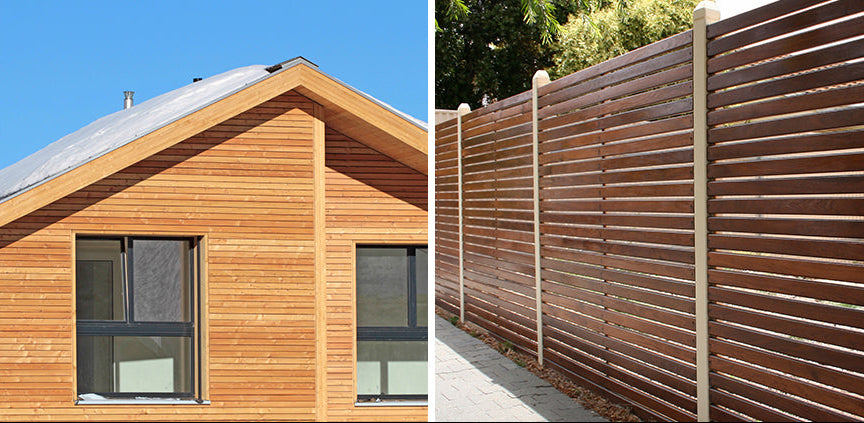
Generell gilt: Im Außenbereich, wo Holz dem Wetter ausgesetzt ist und die Behandlung mit der Holzschutzlasur erstmalig erfolgt, empfiehlt es sich, eine Holzgrundierung aufzutragen. Damit ist später gewährleistet, dass das Material die Lasur gut und gleichmäßig aufnimmt. Zudem werden mit der Grundierung Unebenheiten ausgeglichen, die sich ohne diese Vorarbeit entsprechend unschön zeigen könnten. Eine glatte Fläche ist garantiert. Ansonsten ist eine Grundierung für die meisten Holzschutzlasuren wie im Innenbereich nicht notwendig.
Wie entfernt man alte Holzlasuren?
Dabei kommt es darauf an, ob es sich um Dünnschicht-Holzschutzlasur oder Dickschicht-Holzschutzlasur handelt. Holzlasuren, die eine Dünnschicht bilden, sind nach dem Anstrich tief ins Holz eingedrungen und daher kaum zu entfernen. Bei einer Dünnschicht ist es empfehlenswert den alten Anstrich zu belassen und einfach neu zu grundieren.
Dickschicht-Holzlasuren bilden ähnlich wasserabweisende und deckende Oberflächen wie Lacke und blättern mit der Zeit ab. Der alte Anstrich lässt sich daher einfach mit Schleifpapier anschleifen, abschleifen, beizen oder unter Zufuhr von warmer Luft abtragen. So geschliffen und nach einer erneuten Grundierung im Außenbereich kann der Neuanstrich mit einem Pinsel erfolgen. Von einem Überstreichen raten wir Ihnen ab.
Worauf muss ich beim Kauf von Holzschutzlasuren achten?
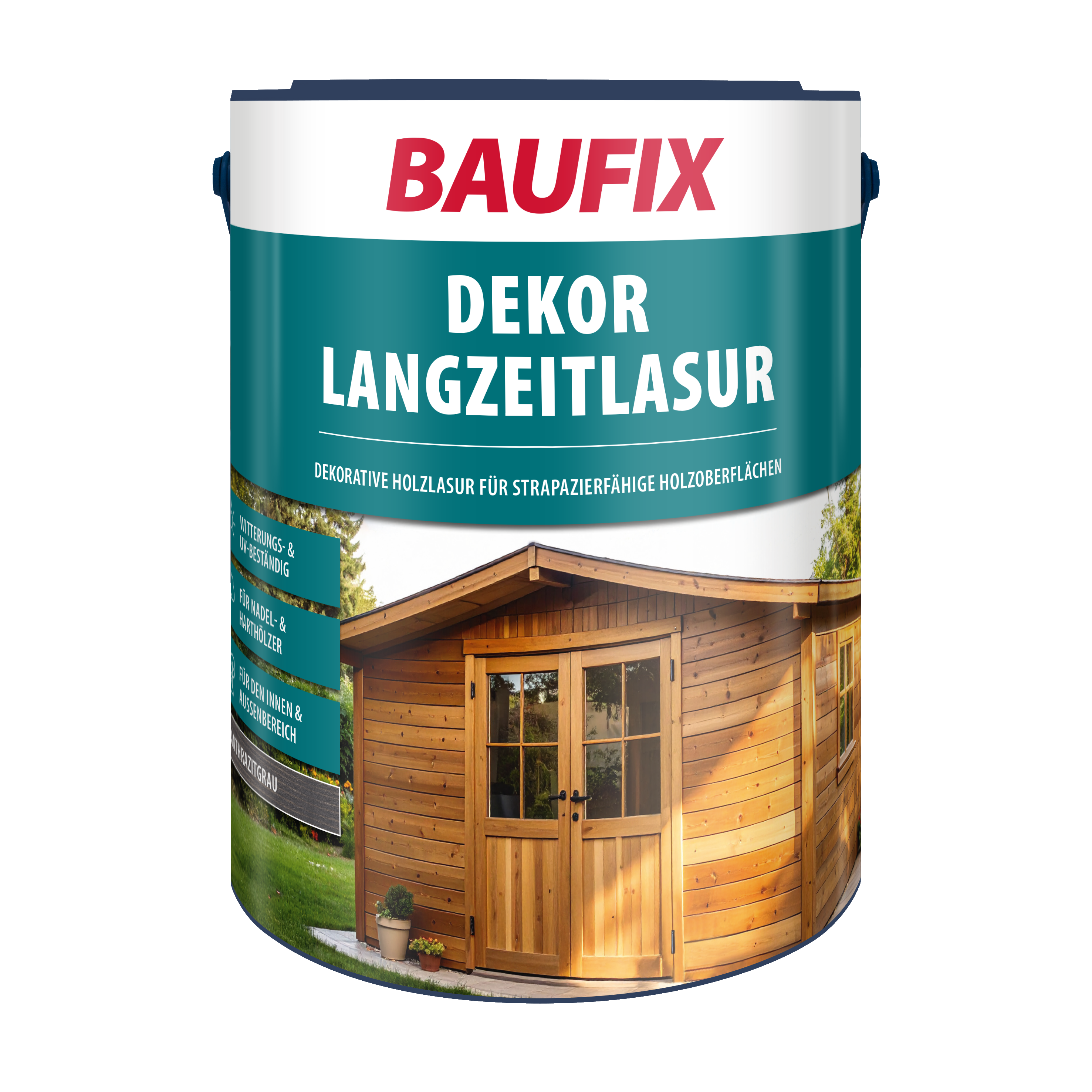
Holzschutzlasuren, wie dieBAUFIX Dekor Langzeitlasurgibt es in verschiedenen Farbtönen, die oft an Holzarten wie Mahagoni, Teak, Kiefer oder Nussbaum erinnern. Es gibt auch weiße, graue und braune Varianten. Farblose Lasuren sind besonders beliebt, da sie die Maserung schön hervorheben. Die Wahl des Farbtons hängt vom persönlichen Geschmack ab.
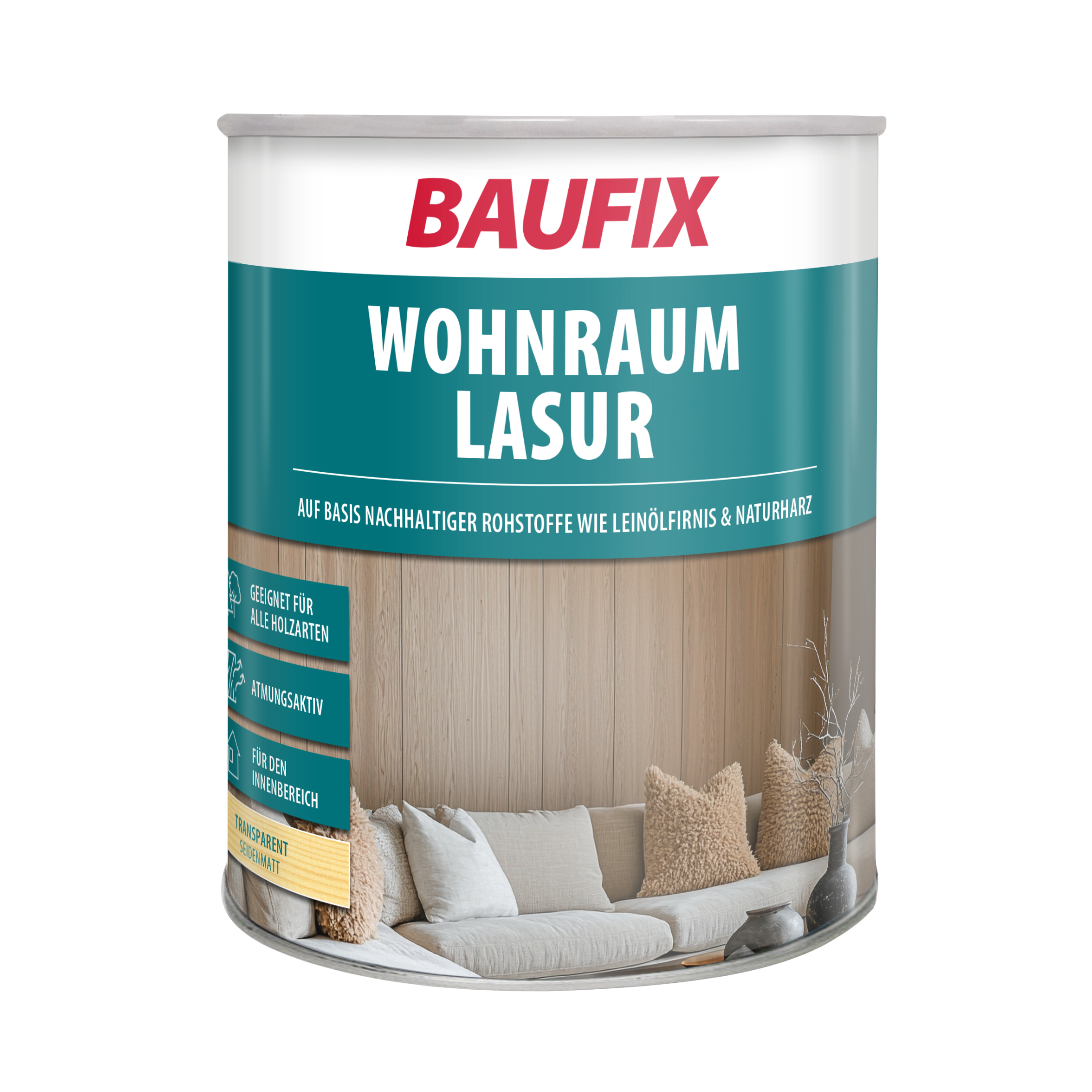
Holzlasuren können auf Wasserbasis oder auf Lösungsmittelbasis sein. Lösemittelhaltige Lasuren sind für den Außenbereich geeignet, da sie ausdünsten können. Weil Lösungsmittel in geschlossenen Räumen oft Allergien auslösen, sind diese nicht für Innen geeignet. Wasserbasierte Holzschutzmittel sind ideal für Wohnräume. Eine gute Möglichkeit, mit gutem Gewissen Holz in Wohnungen und Häusern zu schützen, ist dieWohnraumlasur natural von BAUFIX. Die Holzschutzlasur ist eine natürliche Holzlasur auf Basis nachhaltiger Rohstoffe wie Leinölfirnis und Naturharz.
Dünnschichtige Holzlasuren schützen effektiv vor Feuchtigkeit, Staub und Wettereinflüsse, während Lasuren, die eine Dickschicht bilden, besseren Schutz bei extremen Wetterbedingungen und Stößen bieten. Alle Holzlasuren schützen vor UV-Strahlung und heben die Maserung hervor. Hartwachs-Öle sorgen zusätzlich für eine Imprägnierung.
Die Trockenzeit variiert je nach Hersteller und Produkt. Staubtrocken kann eine Fläche schon nach 30 Minuten sein, während die vollständige Trockenzeit bis zu 12 Stunden dauern kann. Im Durchschnitt liegt die Zeit der Trocknung bei zwei bis vier Stunden. Mit demDekor-Langzeitschutz von BAUFIXist nach 30 Minuten ein erneutes Streichen möglich.
Du kannst dir merken: Pro Quadratmeter benötigst du 100 Milliliter des unverdünnten Holzschutzmittels. Bei Flächen mit großen Poren schlage die doppelte Menge darauf. Oft finden sich in den Produktinformationen Hinweise zum Verbrauch. Möchtest du intensive Farben oder die Maserung stark in Szenen setzen, kann es sich lohnen, das Streichen mehrmals zu wiederholen.
Gibt es Alternativen zu einer Holzschutzlasur?
Holzöle für eine natürliche Holzoptik im Innenraum
Vor allem in Innenräumen eignen sich umweltschonende Holzöle wie dasBAUFIX Holz-Pflegeölzum Streichen von Holzfußböden, Treppen, Massivholzmöbeln, Paneele, Leisten und Korkoberflächen. Auch wenn du die Maserung hervorheben willst, empfiehlt es sich, zuHolzölzu greifen. Zur Pflege von speziellen Holzarten raten wir unter anderem zum BAUFIX Teak-Pflegeöl. Holzöle sind eine gute Alternative für die Pflege, bieten aber keinen ausreichenden Schutz vor Witterung, Nässe, Insektenbefall oder Fäulnis.
Holzlacke für starken Schutz
Einen starken Schutz bieten wetterbeständige Holzlacke als Schutzanstrich. Du verschließt die Oberfläche und verhinderst damit das Eindringen von Feuchtigkeit, Schmutz, Staub. Jedoch wird dabei auch die Atmungsaktivität unterdrückt und die Maserung überlagert. Der Vorteil: Du musst den Neuanstrich und die Auffrischung nicht jedes Jahr wiederholen. Dennoch muss der Altanstrich immer vollständig entfernt werden. Stark beanspruchte Oberfläche wie Treppen kannst du mit den BAUFIX Treppen & Parkettlack bearbeiten.
Holzwachse für seidenglänzende Oberflächen
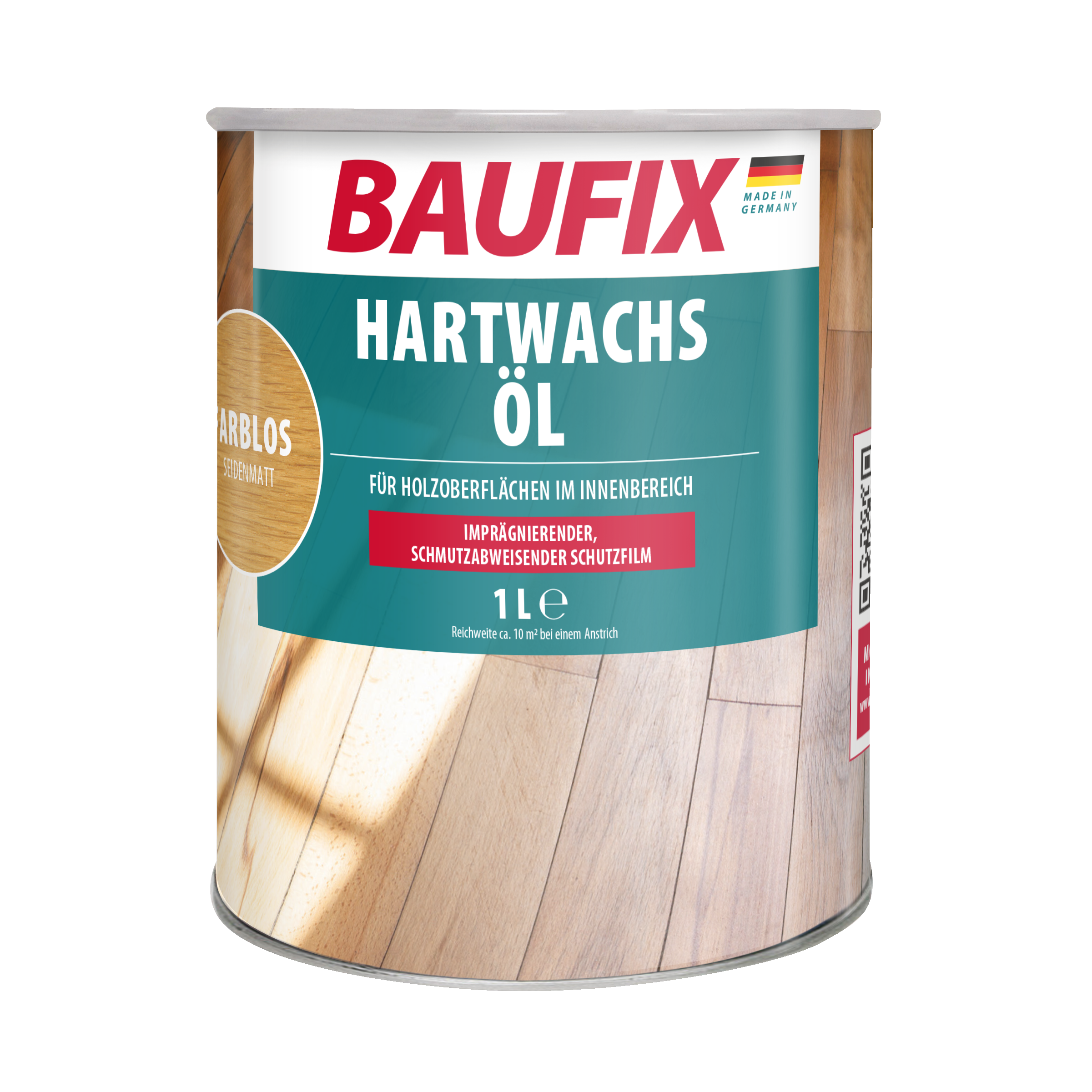
Idealer Partner von Fußböden und Möbeln in Innenräumen sind Holzwachse wie dasBAUFIX Hartwachs-Öl. Diese bilden eine wasserabweisende und seidenglänzende Oberfläche und dienen gleichzeitig als Imprägnierung. Der Untergrund bleibt so weiterhin atmungsaktiv. Auch hier zeigt sich nach der Behandlung die natürliche Maserung.
Holzgele für Wetterschutz
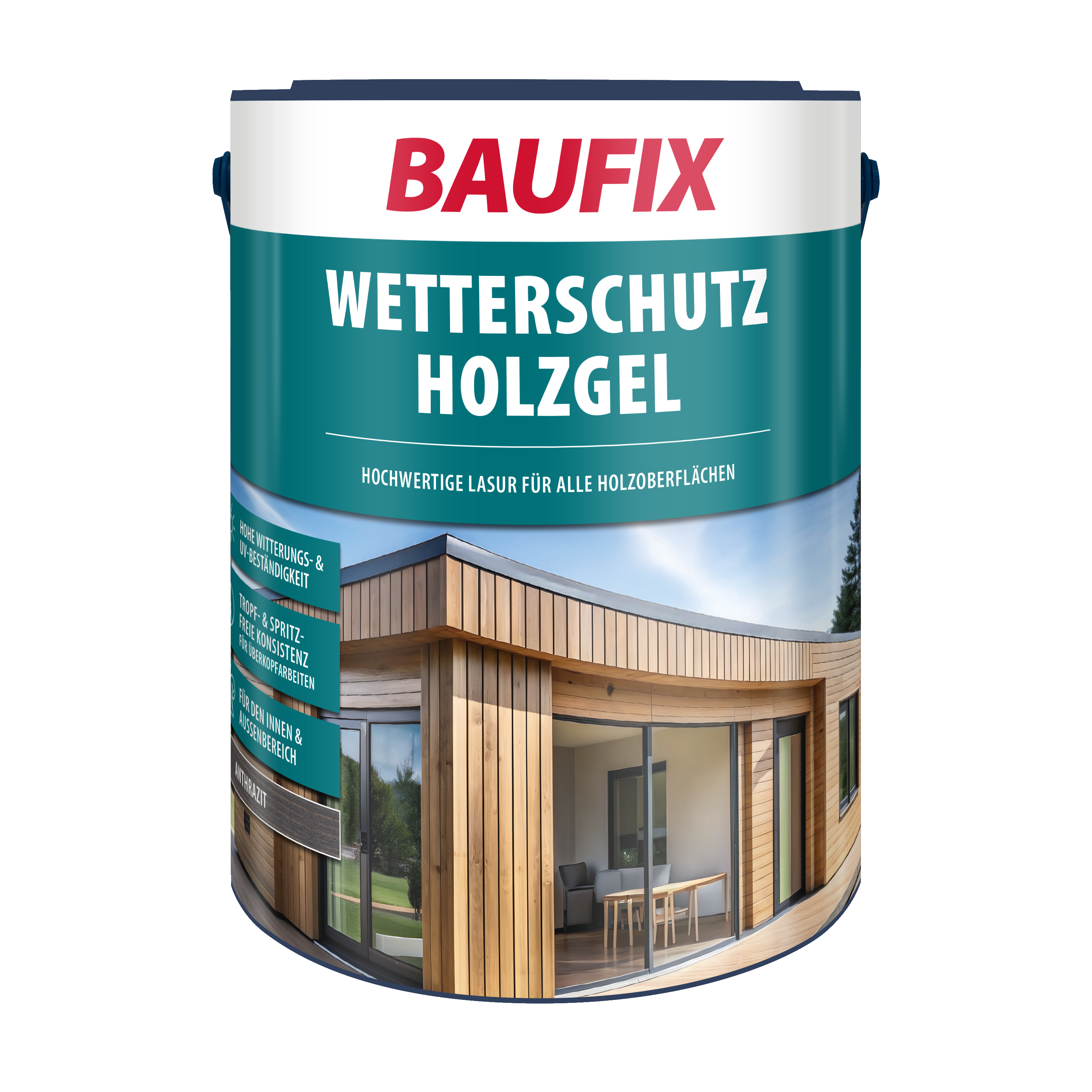
Für alle Oberflächen wie auch für Fensterläden sind Holzschutzgele wie das BAUFIX Wetterschutz-Holzgel ideal. Sie sind als Dickschicht-Schutzanstriche leicht aufzutragen und überzeugen mit einer guten schnellen Trocknung.
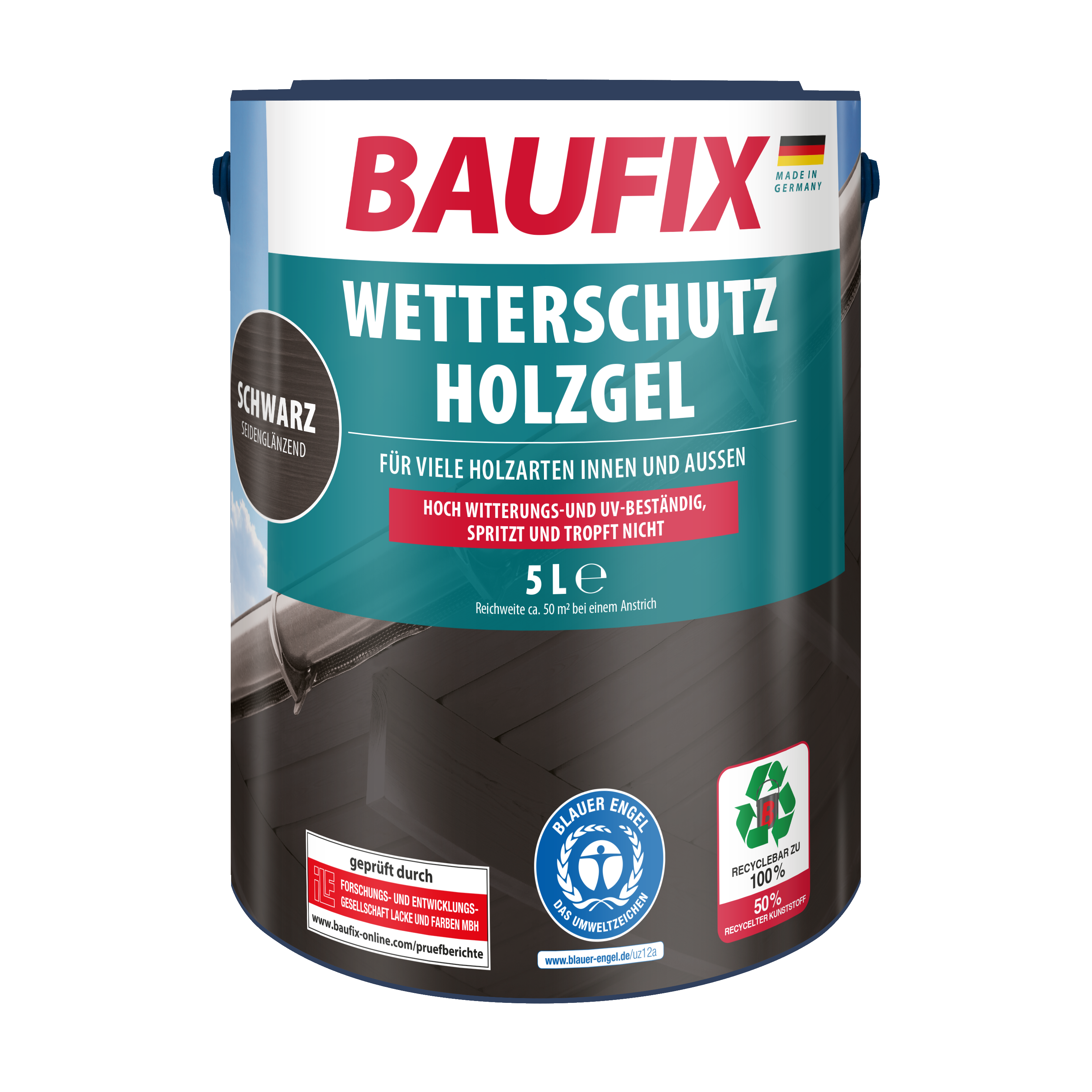
Unsere Holzschutzlasur: BAUFIX Wetterschutz Holzgel
- atmungsaktiv, für alle Holzarten
- spritzt nicht, tropft nicht
- witterungs- & UV-beständig
- für innen & außen