
Holzlasuren & Holzpflege
Holz zählt aufgrund seiner Natürlichkeit, Wärme und Vielfältigkeit zu den beliebtesten Baumaterialien. Damit es dauerhaft schön und einwandfrei bleibt, braucht es spezielle Pflege. Unsere Holzlasuren, Holzöle und deckenden Holzanstriche schützen es wirksam und erhalten seine Atmungsaktivität.
Holzlasur, Lack, Öl – welchen Anstrich verwende ich für was?
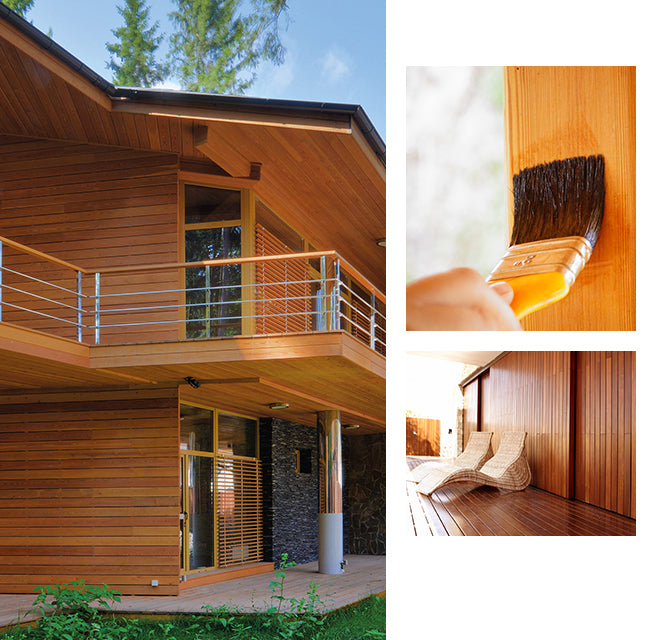
Holz ist heute ein beliebtes Material und kommt im Innenbereich und Außenbereich zum Einsatz. Ob Möbel, Zäune oder Sichtschutz, der natürliche Look und die Holzoptik machen einiges her. Holz ist zwar robust, dennoch gegenüber Umwelteinflüssen und Feuchtigkeit sehr empfindlich. Wenn du lange etwas von deinen Gartenmöbeln haben willst, kommst du um einen Anstrich mit einer Holzlasur nicht herum. Die transparente Lasur schützt die Holzoberfläche vor Witterungseinflüssen und setzt gleichzeitig die Maserung gekonnt in Szene. Wer will, kann die Bauteile sogar in einem beliebigen Farbton streichen. Wir zeigen dir nachfolgend alles, was du über die Holzlasuren wissen musst, wo die Unterschiede zwischen Holzlack, Holzöl und Holzlasuren sind und wie du den Holzschutz richtig verarbeitest.
Wofür verwende ich...
Holzlack?
Ein Holzlack ist ein deckender Anstrich, schützt das Holz vor Witterungseinflüssen und macht es zudem strapazierfähiger. Du kannst damit die Holzoberfläche schützen und gleichzeitig einen neuen Look verleihen. Holzschutzlacke sind in zahlreichen Farbtönen erhältlich. In Sachen Oberflächenoptik kannst du dich zum Beispiel für hochglänzend entscheiden. Man unterscheidet zwischen lösemittelhaltigen Acryllack, Kunstharzlack mit Lösemittel und umweltfreundlichen Lacken, die frei von Lösungsmitteln sind, weder Schadstoffen enthalten noch einen unangenehmen Geruch bilden. Diese lassen sich daher ideal für den Innenbereich nutzen. Wetterschutzfarben kommen im Außenbereich zum Einsatz und schützen gleich noch vor UV-Strahlung. Die Nachteile von Holzlacken: Sie überdecken die natürliche Maserung des Holzes und Wetterschutzfarbe ist nicht für jeden Untergrund die richtige Wahl.
Holzöl?
Holzöle sind zur Pflege von Oberflächen gedacht und sind kein Holzschutzmittel. Dennoch ist es wichtig Holz regelmäßig zu ölen. Der Rohstoff trocknet mit der Zeit aus und verliert schnell sein ansprechendes Aussehen. Die Öle dringen tief in das Bauteil aus dem natürlichen Material ein, verlängern die Lebensdauer und sorgen wieder für die gewünschte Holzoptik. Sie kommen bei Gartenmöbeln, beim Untergrund der Terrasse und bei Möbeln im Innenbereich zur Anwendung. Das BAUFIX Holz-Pflegeöl ist genau das richtig für die Pflege von unbehandelten Hartholz-Gartenmöbeln wie Tische, Stühle oder Bänke, eignet sich jedoch genauso gut für Holzterrassen und Gehwege. Speziell für Teak empfehlen wir das BAUFIX Teak-Pflegeöl.
Holzlasur?
Eine Holzlasur ist ein transparenter Holzschutz, der keine deckende Schicht auf der Holzoberfläche hinterlässt, sondern die natürliche Holzmaserung betont. Der Anstrich macht das Holz beständig gegenüber Witterungseinflüssen und ist deutlich robuster. Bei den Holzlasuren unterscheidet man zwischen Dünnschichtlasuren und Dickschichtlasuren. Der Unterschied der Schichten des Anstrichs besteht darin, dass die Dünnschichtlasuren in das Holz eindringen und es von innen heraus schützen und die Dickschichtlasuren auf der Oberfläche eine dicke Beschichtung bilden. Die erste Variante der Lasuren eignet sich für nicht maßhaltige Bauteile, während die zweitgenannten Holzlasuren für maßhaltige Bauteile die beste Wahl sind. Die BAUFIX professional UV-Protect Dickschichtlasur ist als Anstrich mit dem Siegel „Blauer Engel“ ausgezeichnet.
Infocheck: Maßhaltige Bauteile meint Holz, das sich in seiner Form kaum verändern darf wie Fenster oder Türen. Nicht maßhaltige Bauteile dürfen sich hingegen in Volumen verändern wie Zäune oder Verbretterungen.
Wie wähle ich den Farbton für die Holzlasur aus?
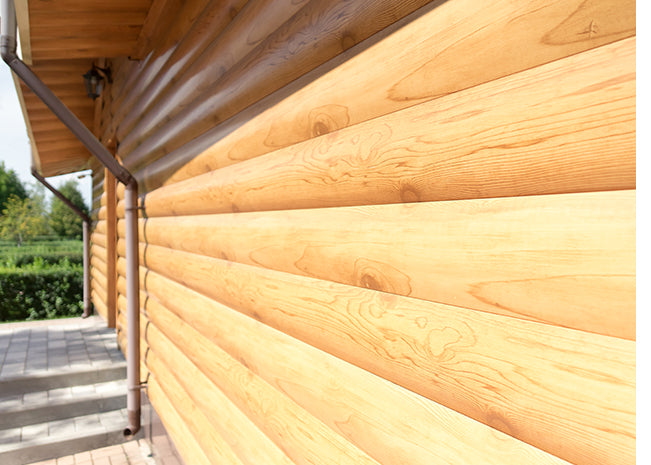
Eine Holzlasur kann deckend sein oder sich als transparenter Anstrich zeigen. Möchtest du die Holzmaserung weiterhin zur Geltung kommen lassen, entscheide dich für eine farblose Holzlasur. Möchtest du eine optische Veränderung erzielen, greife beim Anstrich auf eine Holzfarbe zurück. Diese gibt es in nahezu jeder Farbe wie rot, gelb oder blau. Einige Farben lassen zudem die Maserung dennoch leicht durchschimmern.
Pflege und Auffrischung: Wann ist die nächste Lasur fällig?
Generell gilt: Ein Holzschutz ist im Außen sehr wichtig. Der Anstrich schützt den Rohstoff, macht ihn beständig und widerstandsfähig. In regelmäßigen Abständen sollte eine Lasur aufgefrischt werden, sodass die Schutzfunktion weiterhin gegeben ist. Wie lange letztlich eine Lasur wirklich schützt, hängt von den Bedingungen ab, denen die Holzoberfläche im Außenbereich ausgesetzt ist. Dabei spielen Faktoren wie Witterung, Art des Holzes, die mechanischen Belastungen und der Farbton eine Rolle, denn dunkle Farben halten in der Regel länger.
Überprüfe daher den Anstrich des Holzschutzes idealerweise in regelmäßigen Abständen. Laut Experten sollte eine Wartung mindestens einmal im Jahr samt gründlicher Reinigung von Schmutz und Staub und ein Neuanstrich mit der Holzlasur erfolgen.
Worin unterscheiden sich Holzlasuren?
Bei Holzlasuren unterscheidet man Lasuren für den Innen- und Außenbereich, die entweder als Dünnschicht- und Dickschichtlasuren gewählt werden.
Unterschiede: Dickschichtlasur oder Dünnschichtlasur?
Die Dünnschichtlasur ist als Holzlasur flüssig und dringt dadurch tief in das Holz ein. Die Holzlasur schützt so das Holz von innen heraus und macht es widerstandsfähiger. Die Dünnschichtlasur ist ideal für den Außenbereich geeignet. Da sie Lösemittel enthalten, die stark ausdünsten, ist der Holzlack nicht für die Innenanwendung geeignet.
Eine Dickschichtlasur ist als Schicht hingegen zähflüssig und legt sich wie ein Film auf die Oberfläche. Die Dickschichtlasur dringt daher kaum in das Material ein, sorgt mit der Schutzschicht für Witterungsbeständigkeit im Außenbereich, lässt sich aber auch im Innenbereich anwenden.
Die Beschichtung der Mittelschichtlasur ist der Mittelweg zwischen den beiden Varianten. Eine Mittelschichtlasur dringt tiefer ins Holz ein und schafft eine dünnere Beschichtung.
Tipp: Dünnschichtlasuren müssen regelmäßig mit einem Neuanstrich aufgefrischt werden. Dickschichtlasuren blättern erst nach mehreren Jahre ab, müssen dann jedoch aufwendiger erneuert werden, da die Beschichtung der Dickschichtlasur erst abgetragen werden muss.
Die passende Holzlasur finden
Damit du die passende Holzlasur für deinen Zweck wählen kannst, solltest du noch weitere Faktoren berücksichtigen. Vor allem kommt es hier auf die Eigenschaften des Bauteils an, das nur die richtige Holzlasur entsprechend schützen kann. Daher solltest du dich vor dem Auftragen der Holzschutzlasur fragen, ob du eine farbige oder transparente Lasur nutzen möchtest. Letztere hat den Vorteil, dass die Maserung gekonnt hervorgehoben wird. Weiterhin gilt zu klären, ob das Holz nach dem Anstrich mit der Holzlasur schmutz- und wasserabweisend sein soll. Benötigst du eine Lasur, die vor Schimmel schützt oder das Holz vor UV-Strahlen bewahrt? Die flüssigen Lasuren haben Inhaltsstoffe, die vor Pilz- und Insektenbefall sowie UV-Strahlung bestens schützen. Ohne die passende Holzlasur kann die Oberfläche schnell vergrauen. Auch das „Atmen“, also wie diffusionsoffen das Holz mit der Holzlasur ist, sollte geklärt werde. Diese meint, dass Feuchtigkeit zwar aufgenommen, aber auch wieder abgegeben wird.
Achtest du darauf, dass stark strapazierte Untergründe mit einem entsprechenden Lack lackiert und nicht mit einer Holzlasur bearbeitet werden sollten. Geeignet für alle Holzböden ist zum Beispiel der BAUFIX Treppen & Parkettlack, der im Innenbereich für eine robuste und strapazierfähige Oberfläche sorgt. Damit sich Böden lange Zeit optisch ansprechend präsentieren, raten wir dir zu einer regelmäßigen Pflege mit der BAUFIX Treppen & Parkettpflege.
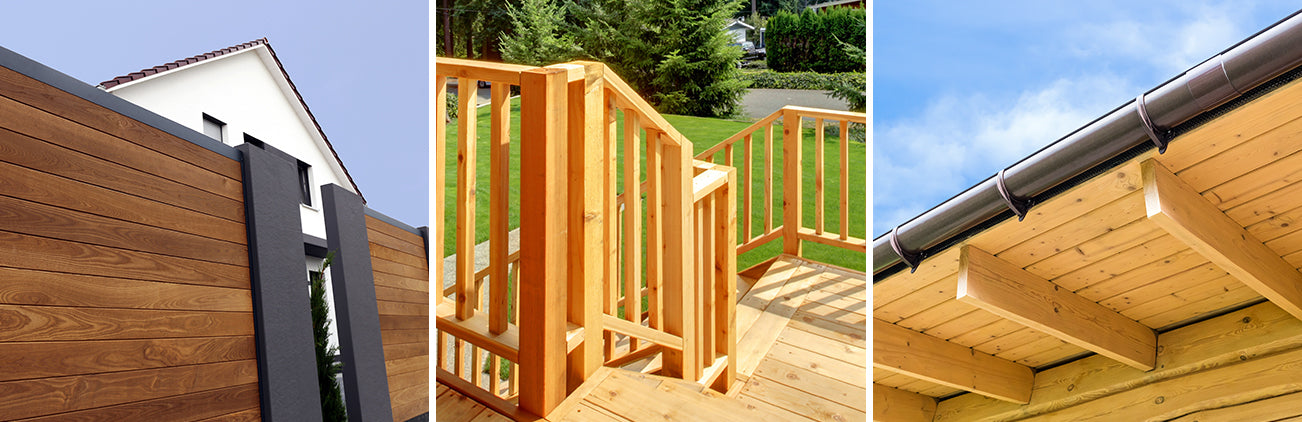
Jetzt, wo die passende Holzlasur gefunden ist, kann es ans Auftragen gehen. Nachfolgend zeigen wir dir Schritt für Schritt, wie du die Lasur richtig verarbeitest. Du benötigst:
- die passende Holzlasur für den Innen- oder Außenbereich
- Malerwerkzeug wie Pinsel oder Roller wie unser BAUFIX Farbrollen Set
- Schleifpapier: Körnung zwischen 280 und 320
- Abdeckplane, praktisch in unserem BAUFIX Abklebeset erhältlich
- Schutzhandschuhe
- eventuelle Terpentin zur Reinigung der Pinsel
Schritt 1: Du beginnst zunächst die Holzoberfläche abzuschleifen. Dazu nutze das Schleifpapier in der entsprechenden Körnung. Arbeite beim Schleifen immer in Richtung der Holzmaserung und nicht entgegen. Das schützt die empfindlichen Holzfasern. Reinige danach gründlich die Oberfläche und entferne Staub und Schmutz. Der Untergrund muss vor dem Auftragen der Holzlasur trocken, sauber, und fettfrei sein.
Schritt 2: Damit du und deine Umgebung vor Farbspritzern und tropfender Lasur gut geschützt sind, decke alles mit der Abdeckplane ab und ziehe dir Schutzhandschuhe über.
Schritt 3: Jetzt kannst du anfangen mit der Holzlasur zu arbeiten. Nehme Pinsel oder Roller, tauche diesen in die Holzlasur und streiche Gartenmöbel, Zaun und Co. gleichmäßig mit der Holzschutzlasur oder Holzfarbe, sollte diese auch gleich Farbpigmente besitzen. Wenn du das Malerwerkzeug später erneut nutzen willst, so reinige es nach dem Streichen direkt mit Terpentin.
Schritt 4: Lasse die Holzlasur nun gut 16 Stunden trocknen. Für das beste Ergebnis kannst du die Oberflächen erneut leicht abschleifen und die Holzlasur ein zweites Mal auftragen.
Es gibt einen Unterschied zwischen einen Grundanstrich, einem Zwischenanstrich und einem Endanstrich. Bevor du also eine Lasur aufträgst, ist es wichtig diese abzuschleifen, um eine verbesserte Haftung zu gewährleisten. Zudem sorgst du für eine glatte und strukturierte Oberfläche. Es kann sich anbieten vor der Lasur eine Grundierung aufzutragen. Diese kann beispielsweise vor Schimmel und Pilzen schützen wie der BAUFIX Holzschutz-Grund. Grundieren bietet sich vor allem für den Außenbereich an, um einen hohen Wetterschutz zu gewährleisten. Wenn du schleifst, grundierst und lasierst sorgt als letzter Schritt ein Klarlack für das Finishing.
Muss ich Holzmöbel erst abschleifen, um sie dann zu lasieren?Sollte man Holzlasur mit Pinsel oder Rolle auftragen?
Um die Holzlasur fachgerecht zu verarbeiten und die Schicht der Holzschutzlasur einfach aufzutragen, benötigst du entsprechendes Malerwerkzeug. Zum Lackieren nutze einen Pinsel mit breitem Stil. Je nach Größe der Oberfläche bringe große Pinsel für Vollflächen zum Einsatz oder wähle für die Feinarbeit eine kleine Variante. Öle haben den Vorteil unkompliziert mit einem Lappen aufgetragen zu werden. Für Holzlasuren gibt es spezielle Lasurpinsel zum fachgerechten Lasieren. Wenn du große Oberflächen lackieren willst, greifen auf einen Farbroller zurück oder wähle direkt einen kurzflorigen Lackierroller. Achte in jeden Fall auf die Angaben des Herstellers, die darüber Aufschluss bringen für welche Holzlasur und Co. das Streichequipment geeignet ist.
Unsere Empfehlungen der Holzlasur
Möchtest du dein Holz im Außenbereich schützen, empfehlen wir dir beispielsweise die BAUFIX Dekor-Langzeitlasur als Witterungs- und UV-beständige Holzlasur für alle Nadel- und Harthölzer. Wünschest du noch mehr Haltbarkeit, dann ist die BAUFIX PUR-Langzeitlasur genau das Richtige für dich. Umweltfreundlich wird es mit unserer natural-Serie wie dem BAUFIX natural Wetterschutz Holzgel, der BAUFIX natural Dekor-Langzeitlasur und speziell für den Innenbereich die BAUFIX Wohnraumlasur. Wir bieten dir zudem eine große Auswahl an speziellen Anstrichen wie unsere BAUFIX Terrassen- & Gartenmöbel-Lasur. Gerne helfen wir dir bei der Auswahl. So hast du immer den besten Schutz für dein Holz.