
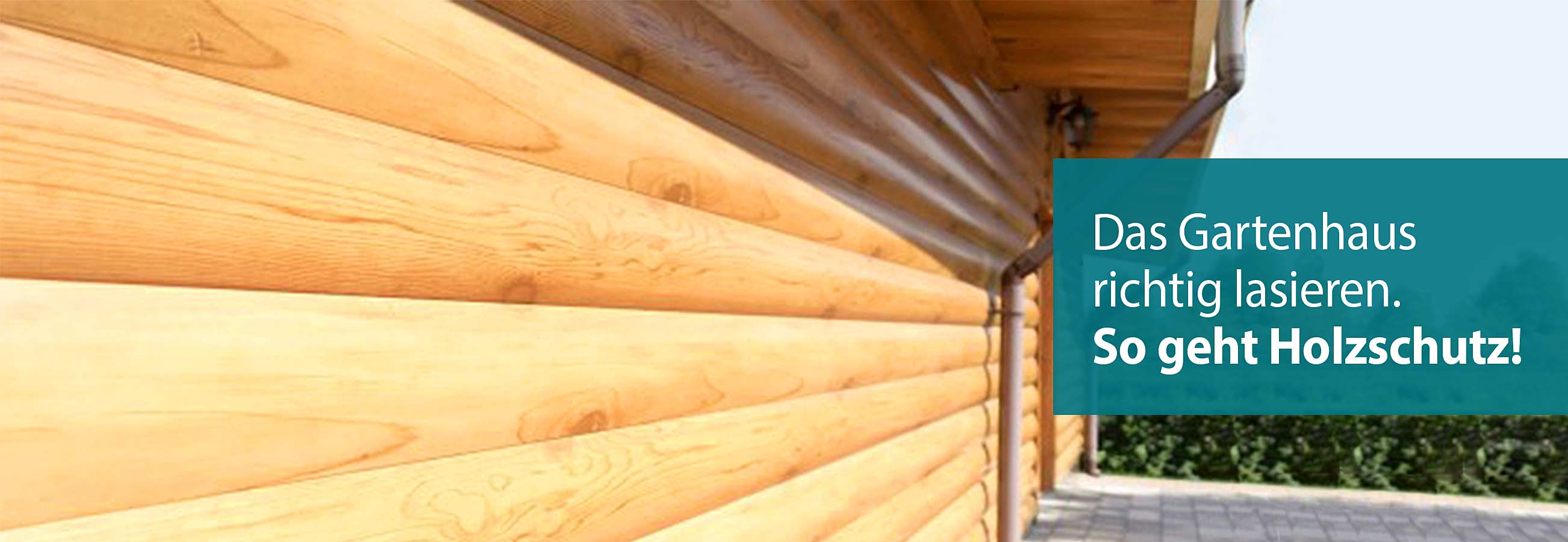
Gartenhaus richtig lasieren - so geht's
Gartenhaus lasieren: Pflege für das Gartenhaus
Ob als Lagerraum für Gartenwerkzeuge und -möbel oder als Zufluchtsort für regnerische Tage - ein Gartenhaus oder ein Holzschuppen im Garten ist sehr praktisch und kann dich ein Leben lang begleiten. Vorausgesetzt es erhält die nötige Pflege! Denn auch wenn viele Gartenhäuser aus heimischen Weichhölzern wie z.B. Fichte hergestellt werden, die reich an Harz und unseren Witterungen gewachsen sind, sind Feuchtigkeit, Sonne und Frost enorme Schadfaktoren, die das Holz langfristig schädigen können. Um das Gartenhaus vor diesen externen Faktoren zu schützen, bietet sich eine regelmäßige Behandlung des Holzes mit entsprechenden Holzlasuren an. In unserer Anleitung erklären wir euch, wie Gartenhaus lasieren einfach funktioniert.
Warum sollte ich mein Gartenhaus lasieren?
Holz zeichnet sich durch eine Reihe von Vorteilen aus, welche dir den Umgang damit wesentlich erleichtern – ob charmant einfach oder eher rustikal, die Vielfalt an möglichen Umsetzungsformen ist schier grenzenlos. Doch leider hat besonders weiterverarbeitetes Holz natürliche Schwächen, die im Bereich dauerhafter Oberflächeneinflüsse liegen. Zur Erinnerung: Holz ist in der Natur von einer schützenden Rinde umgeben, die hier nun fehlt. Einen Ersatz hierzu, der gleichzeitig noch optische Vorzüge durch verschiedene Farbgebung liefert, stellt die Holzlasur dar. Sie wird auf Oberflächen aus Holz aufgetragen und bringt eine zusätzliche Schutzschicht gegenüber Witterungseinflüssen. Beim Gartenhaus lasieren schützt und wertest du deinen Baustoff also zielgerichtet auf.
BAUFIX bietet dir eine große Bandbreite an Holzlasuren. Vor dem Kauf einer Lasur sollte dir bewusst sein, dass du nicht jede Holzlasur universell einsetzen kannst. Selbstverständlich möchten wir dir dabei genauestens helfen. In den folgenden Zeilen findest du deshalb wichtige Informationen zum Thema Gartenhaus lasieren, zur Wahl der richtigen Holzlasur und zu derer Anwendung. So gelingt jedes Projekt im Handumdrehen!
Gartenhaus lasieren: So funktioniert’s
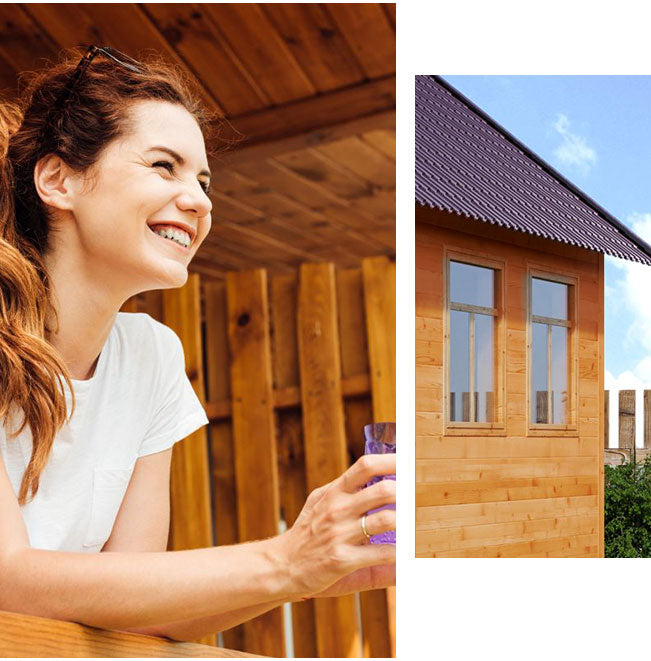
Ein Holzhaus kann sich verziehen, schrumpfen, verfärben, quellen oder gar schimmeln oder verrotten. Damit dir dein Gartenhaus so lange wie möglich erhalten bleibt, ist eine korrekte Pflege unverzichtbar. Wir erklären dir, was du alles zum Gartenhaus lasieren benötigst, wann der beste Zeitpunkt dafür ist, welche Lasur am besten für dein Gartenhaus geeignet ist und zeigen dir Schritt für Schritt, wie du am besten dein Gartenhaus lasieren kannst.
Schritt 1: Das Gartenhaus reinigen
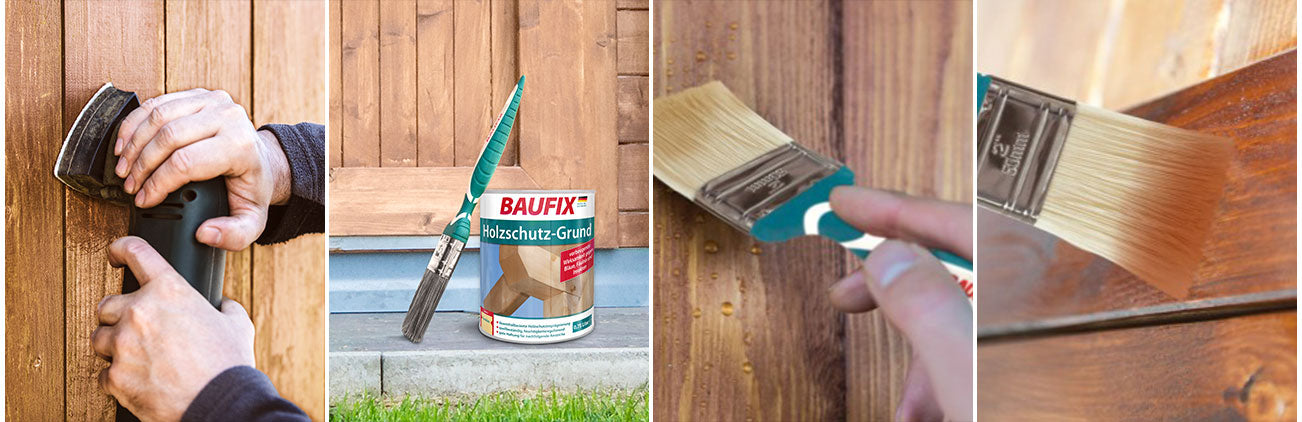
Bevor du mit dem Gartenhaus lasieren beginnen kannst, solltest du es dringend von Schmutz befreien. Stellst du dabei fest, dass die alte Lasur abblättert, ist ein vorheriges Abschleifen des Holzes ratsam.
Schritt 2: Das Gartenhaus grundieren/imprägnieren
Eine Holzschutz Imprägnierung ist die Basis, damit du das Gartenhaus lasieren kannst. Mit ihr schützt du das Holz vor Pilzen, Bläue und Aufquellen. Außerdem ist sie ein guter Haftgrund für den nachfolgenden Anstrich. Du trägst die Grundierung unverdünnt mit dem Pinsel auf dem rohen oder abgeschliffenen Holz auf. Fehlstellen im Holz kannst du mit dem Holzspachtel füllen. Ausgetretenes Harz solltest du mit einem Verdünner entfernen. Nach etwa 24 Stunden ist die Grundierung trocken. Jetzt kannst du dein Gartenhaus lasieren! Achte darauf, bei der Verarbeitung gut zu lüften!
Tipp
Möchtest du ein neues Gartenhaus lasieren, empfehlen wir dir, dies im unaufgebauten Zustand zu tun. So kannst du die kompletten Holzbalken behandeln, die im aufgebauten Zustand gegebenfalls nicht mehr sichtbar sind.
Schritt 3: Das Gartenhaus lasieren
Das Auftragen einer Holzlasur ist im Grunde ganz einfach. In der Regel benötigst du dazu lediglich einen Pinsel sowie die richtige Lasur. BAUFIX bietet außerdem Holzlasur in Elektro-Becherpistolen an, mit der du dir das Pinseln sparst und das Gartenhaus komplett mit der Lasur besprühst. Für jede Glasur gilt jedoch grundsätzlich: benutze sie unverdünnt und lasiere zwei Mal. Mit dem Pinsel streichst du immer in Faserrichtung des Holzes. Ist der erste Anstrich getrocknet – nach etwa 4 Stunden – kannst du den Schlussanstrich vornehmen. Nach jedem Anstrich musst du das Holz für ca. vier Stunden vor Regen schützen!
Unser Tipp
So wie du das Gartenhaus lasieren kannst, kannst du auch Holz- und Dachverkleidungen, einen Carport oder die Pergola behandeln. Für Böden oder Gartenmöbel aus Holz sind diese Lasuren aber nicht geeignet. Für Zäune, Holzpflaster oder Palisaden ist die Zaun- & Gartenlasur die optimale Wahl.
Du möchtest dein Gartenhaus lasieren, weißt aber nicht welche Lasur am besten für dein Gartenhaus geeignet ist? Lasuren unterscheiden sich in diversen Eigenschaften voneinander, zu denen beispielsweise die Farbe der Lasur gehört. Es gibt sowohl Holzlasur in Weiß, Holzlasur in Grau und spezielle farbige Holzlasur. Dabei ist zu beachten, dass Lasuren grundsätzlich transparent sind und tief in das Holz einziehen. Du möchtest gar nicht dein Gartenhaus lasieren, sondern es lieber mit deckender Farbe streichen? Die entsprechende Anleitung dafür findest du hier. Doch bei der Farbe hört es nicht auf. Damit du vernünftig dein Gartenhaus lasieren kannst, musst du ebenfalls die drei verschiedene Schichttypen beachten, die Holzlasuren grundsätzlich aufweisen können.
Dünne Holzlasuren
Die dünnen Holzlasuren zeichnen sich besonders dadurch aus, dass sie tief in das Material eindringen, wodurch du keine Probleme mit dem Abblättern und einen recht guten Feuchtigkeitsschutz hast. Besonders ergiebig sind diese Holzlasuren für Holz, welches unabhängig vom Haus eingesetzt wird und keine entscheidenden Eigenschaften einnimmt, wie beispielsweise Zäune.
Mittelschichtlasuren
Mittelschichtlasuren sind im Gegensatz dazu etwas dickflüssiger und tragen somit zu einem hervorragenden Feuchtigkeitsschutz bei, der sich für Teile des Hauses eignet, wie Fensterläden aus Holz.
Dickschichtlasuren
Für wirklich wichtige Bauteile wie Fensterrahmen aus Holz empfehlen wir besonders die Dickschichtlasur zum Gartenhaus lasieren. Diese ist sehr dickflüssig und trotzt damit auch konstanten Einflüssen.
Mit welcher Lasur soll ich nun mein Gartenhaus lasieren?
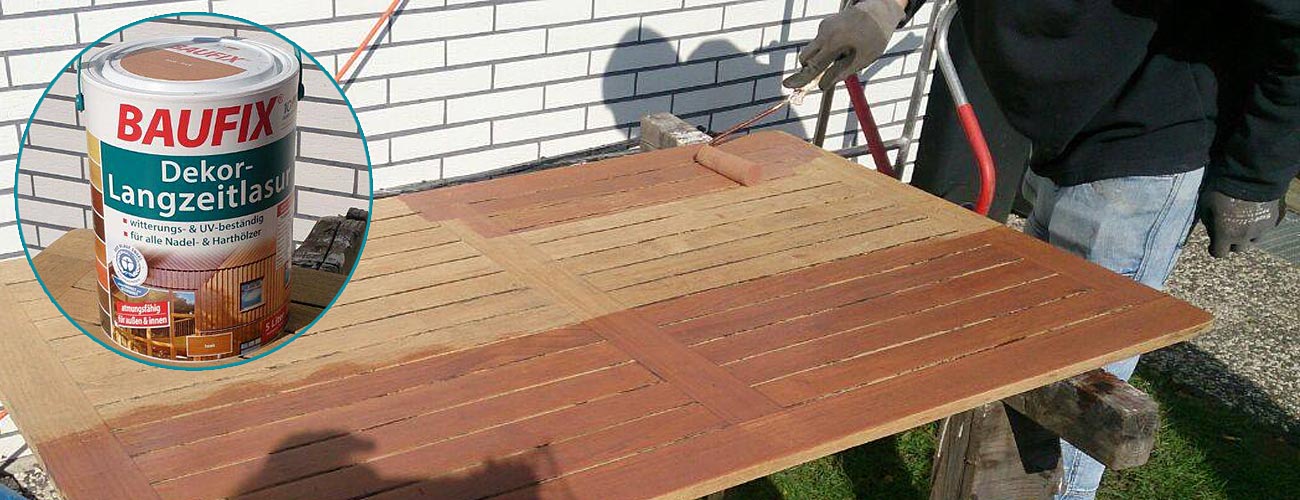
Eine Lasur schützt dein Holz vor Feuchtigkeit und blättert nicht. Sie sorgt dafür, dass Witterung und Sonneneinstrahlung dem Holz nichts anhaben können. Lasuren sind leicht pigmentiert und lassen die Maserung durchscheinen. Die Dekor Langzeitlasur von BAUFIX gibt es in fünf Farbtönen von Kiefer über Eiche bis Mahagoni. Auch das Wetterschutz Holzgel leistet ganze Arbeit beim Gartenhaus; es ist sogar in 14 Farbstellungen erhältlich. Statt zu streichen, kannst du auch spritzen. Die Multispray Holzlasur wiederum kannst du mit Elektro-Becherpistolen verwenden. Wenn dein Gartenhaus oder Schuppen unentwegt der Sonne ausgesetzt ist, ist unsere PUR Langzeitlasur die richtige Wahl. Auch sie ist in fünf Tönungen erhältlich. Überlege dir also, in welcher Farbe du dein Gartenhaus lasieren möchtest, wie du die Lasierung auftragen möchtest und welche weiteren Eigenschaften die Lasur mitbringen soll.
Wann und wie oft sollte ich mein Gartenhaus lasieren?
Den Gebrauch einer Holzlasur empfehlen wir dir aus vielerlei Gründen. So kannst du beispielsweise bereits bestehende Holzbauteile am Holz oder Projekte wie Baumhäuser weiterhin mit einer neuen Schicht Lasur schützen oder einen neuen Look verpassen. Dabei raten wir dir, die wärmeren Jahreszeiten zum Gartenhaus lasieren zu nutzen, um niedrige Temperaturen unter 10 Grad Celsius und hohen Niederschlag zu vermeiden.
Auch wenn die Lebensdauer der Holzlasur davon abhängt, wie stark das Gartenhaus oder der Schuppen Sonne, Regen oder Wind ausgesetzt ist, solltest du sicherheitshalber etwa alle 2 Jahre dein Gartenhaus lasieren. Ist die Lasur völlig verschwunden, fang lieber von vorn an: Schleif alles ab und beginne mit der Grundierung. Damit du diesen Schritt aber nicht so häufig gehen musst, gibt es bei BAUFIX auch Langzeitlasuren, die dir von Anfang an den gewünschten Schutz bieten und die Verwitterung stark eindämmen. Angaben zur Dauer und Art des Schutzes sowie zu den damit streichbaren Flächen sowie anderen Eigenschaften, findest du bei uns im Shop und bei den Angeboten selbst. Wir freuen uns auf deine Kontaktaufnahme, gerne beraten wir dich hierzu.
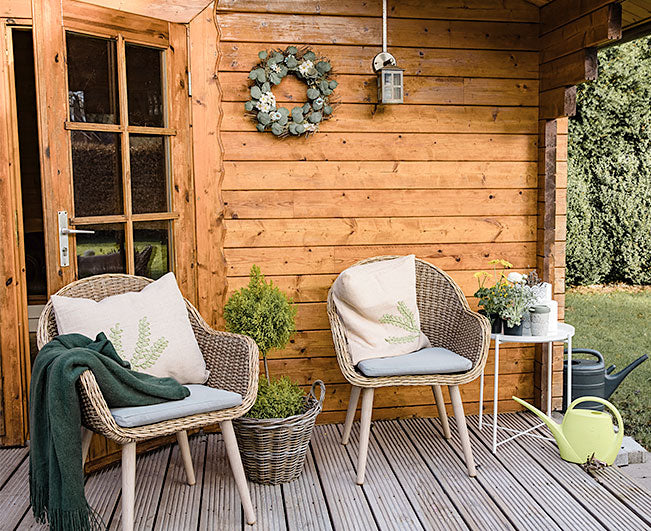
Gartenhaus lasieren: Holzlasuren erhalten das Holz nachhaltig
Der schützende Charakter der Holzlasur umfasst besonders Einflüsse, die aus Feuchtigkeit und gleichzeitigem Lufteinfluss stammen. Deswegen solltest du in jedem Fall regelmäßig dein Gartenhaus lasieren! Abgesehen von einigen Innenflächen ist bei einem Gartenhaus fast jede Oberfläche aus Holz ständig einem solchen Einfluss ausgesetzt. Doch auch Innenbereiche können bei kleineren Unfällen dem Wasser ausgesetzt sein. Hierfür gibt es passgenau auch Holzlasur für Innen. Holz ist unheimlich ergiebig, muss aber dennoch gegenüber derartigen Einflüssen geschützt werden. So kannst du aus Holz sowohl tragende Konstruktionen für kleinere und größere Bauprojekte erschaffen als auch Verkleidungen aus verschiedenen Holzumsetzungen nutzen. Entscheidend ist allerdings stets, dass das Holz, was sich an der Oberfläche befindet oder anderweitig in Berührung mit Feuchtigkeit kommen kann, auf der Oberfläche mit einer Holzlasur geschützt wird. Dadurch erfreust du dich auch noch in vielen Jahren an der natürlichen, einmaligen Haptik deiner Holzmöbel und -gebäude.
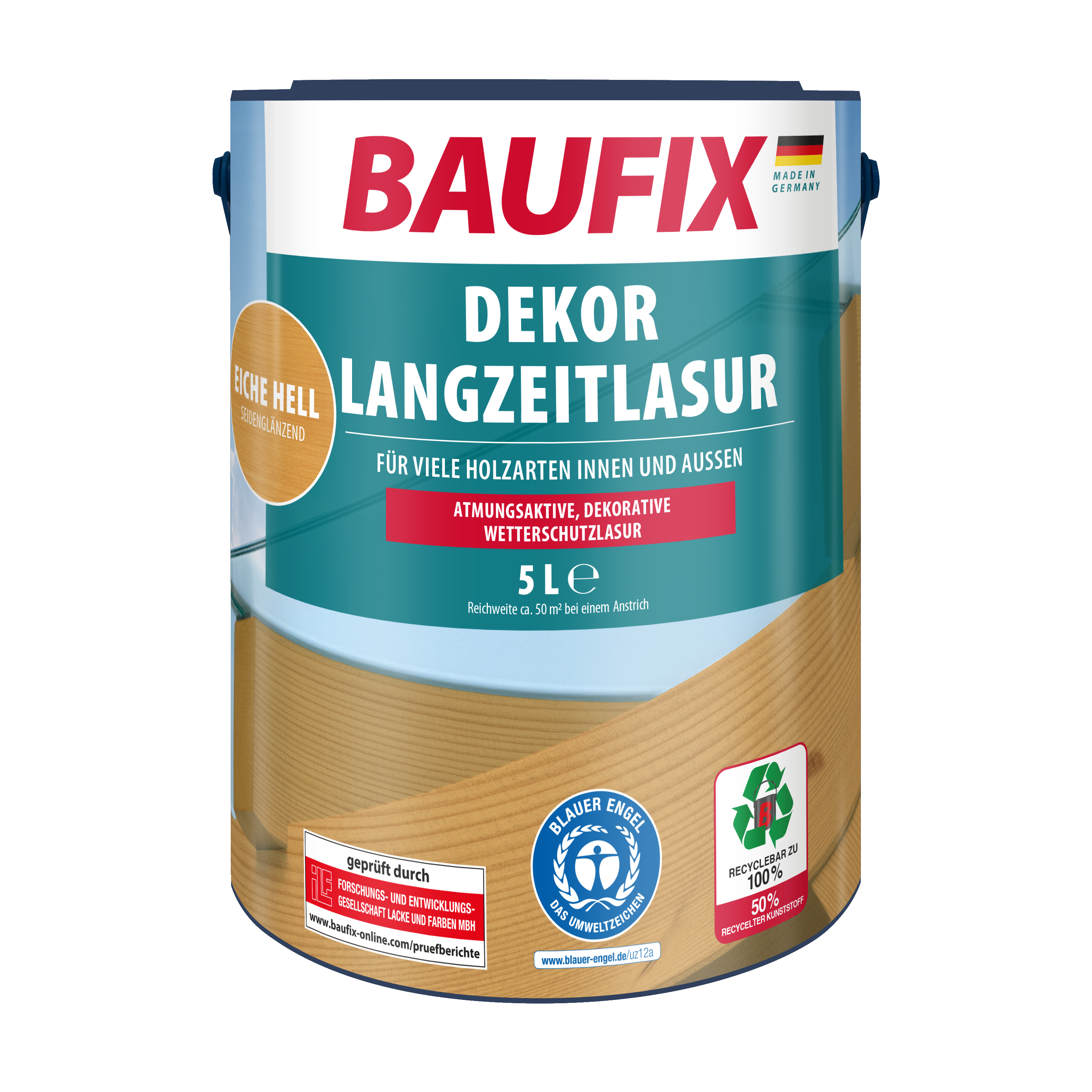
Unsere Gartenhaus Lasur: BAUFIX Dekor Langzeitlasur
- für alle Nadel- & Harthölzer
- atmungsaktiv
- witterungs- & UV-beständig
- für außen & innen